


-
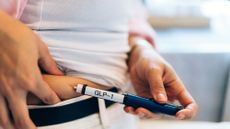 Can Ozempic prevent or treat cancer? It's way too soon to say, an expert cautions
Opinion Excitement around the idea that GLP-1 drugs can prevent cancer is running well ahead of the evidence, an expert explains.
Opinion -
 Tobacco companies are pushing nicotine pouches on teens — and we need to act now to stop them
Opinion Tobacco companies have fallen back on tried-and-tested marketing practices to encourage nicotine pouch use among teenagers.
Opinion -
 '800 seconds for a sick visit': Some factors driving antibiotic resistance have nothing to do with biology, says medical sociologist Julia Szymczak
Interview Doctors' decisions around antibiotics aren't as logical as you might assume; they can be skewed by emotional and social factors, a medical sociologist explains.
Interview -
 The US is hooked on unregulated peptides. But are they effective, or even safe?
The world of peptides has exploded in wellness circles, but the benefits of injecting these gray-market molecules rest on little clinical evidence.
medicine-drugs -
 Japan's bold experiment to curb antibiotic misuse has been a huge success. Could it work in the US?
Science Spotlight A unique policy in Japan encourages doctors to improve their antibiotic use and thus reduce their contribution to antibiotic resistance. Should the U.S. be taking notes?
4 CommentsScience Spotlight -
 Scientists infected a 'vagina on a chip' with gonorrhea — then cured it with a new antibiotic found by AI
To sift through 6 million molecules in pursuit of new gonorrhea treatments, researchers trained AI to select the best drug candidate and then tested it in a "vagina on a chip."
medicine-drugs -
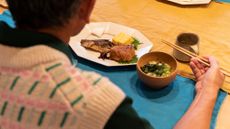 After taking a medicine for years, a man suddenly had weird changes in his taste that made food disgusting
Diagnostic Dilemma A man found that many different foods suddenly tasted terrible to him, and the phenomenon turned out to be a rare side effect of his medication.
Diagnostic Dilemma -
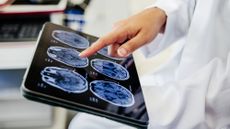 Drug-induced 'brain freeze' may help protect the brain after a stroke, early study suggests
By tamping down metabolism, a new experimental treatment that induces a hypothermia-like state may slow stroke-associated brain injury, scientists report.
2 Commentsmedicine-drugs -
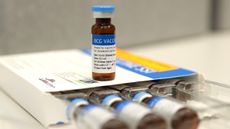 Century-old tuberculosis vaccine could help treat diabetes, trials hint. How?
Repeated doses of a tuberculosis vaccine lowered insulin needs in patients with two forms of diabetes, new trial data show. But more research is needed to prove the benefit.
medicine-drugs


