

-
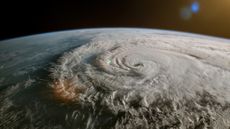 14 of the deadliest natural disasters in history
Reference The world's deadliest natural disasters span more than 2,500 years of human history and include earthquakes, tsunamis and cyclones.
Reference -
 Cheetahs: Earth's fastest land animals
Cheetahs are unique members of the big cat family, with bodies built for acceleration and short bursts of incredible speed.
cats -
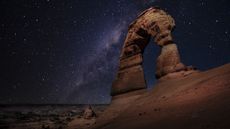 Why does outer space look black?
Several cosmic characteristics, including the lack of an atmosphere, lend space its dark color.
astronomy -
 Why is humidity so uncomfortable?
Here's why "It's not the heat; it's the humidity" rings true.
weather -
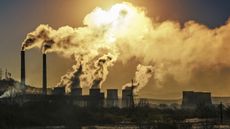 Greenhouse gases: Causes, sources and environmental effects
Greenhouse gases are atmospheric gases that absorb infrared radiation and trap heat in the atmosphere. Increases in emissions of these gases are leading to climate change and global warming.
climate-change -
 Why do dogs bury bones?
A dog's burying instinct comes courtesy of its wild ancestor, the gray wolf.
dogs -
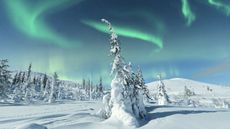 Why is snow white?
Here's why snow is white and not clear like water or ice.
planet-earth -
 How much snow is needed for an official 'White Christmas'?
Here's how much snow is officially needed to call a Christmas "white."
weather -
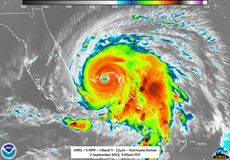 Hurricanes, typhoons and cyclones: Earth's tropical windstorms
Hurricanes and typhoons — or more broadly, tropical cyclones — begin as clusters of thunderstorms over tropical ocean waters, taking anywhere from several hours to days to become organized.
weather -
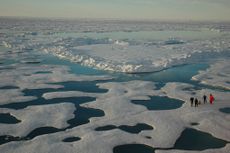 The Arctic Circle: Polar portal to the Arctic
Located about 66.5 degrees north of the Equator lies the Arctic Circle — a line of latitude that outlines the border of Earth's northernmost region known as the Arctic.
arctic


