

-
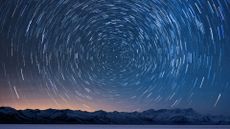 Can you see Earth spin?
You can't watch Earth spin in real time because it rotates so slowly, but there are ways to see the effects of the planet's rotation.
planet-earth -
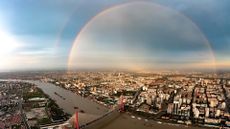 Are rainbows really arches?
If you have the right vantage point, a rainbow might look circular. Here's the science behind why some rainbows look like arches and others don't.
planet-earth -
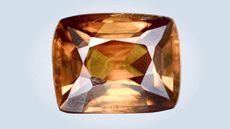 What is the rarest mineral on Earth?
There is only one specimen of the rarest mineral on Earth, and it's from Myanmar.
geology -
 What's the largest desert in the world?
The largest hot desert and cold desert in the world are anything but boring and barren.
planet-earth -
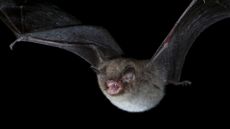 Scientists unlocked the secrets to bats' heavy metal growls
Bats vibrate special vocal folds to produce low-pitched growls like those of death metal singers.
land-mammals -
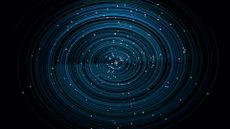 What is the shape of the universe?
The universe may be vast, but researchers have multiple points of evidence that reveal its shape.
space -
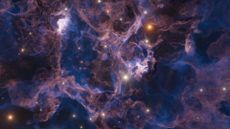 How do we know the age of the universe?
The universe is about 13.8 billion years old, but how do we know that?
space -
 What's the deadliest month of the year?
What is the deadliest month for people living in the United States?
health -
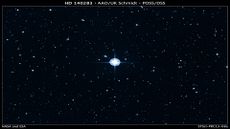 What's the oldest star in the universe? What about the youngest?
Do astronomers know which star is the oldest and which is the youngest in the universe? How can they tell?
astronomy -
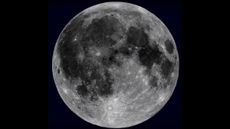 What is the 'man in the moon' and how did it form?
Here's what made the "man in the moon" and why these "facial" geological features are here to stay.
the-moon -
 What are the deepest spots in Earth's oceans?
Here are the measurements for the deepest depths in each of the world's five oceans, and a look at the unique animals that live in these deep zones.
rivers-oceans -
 Can solar storms cause tsunamis?
Solar storms can mess with Earth, but can they kick up a tsunami?
astronomy


