 Live Science Plus





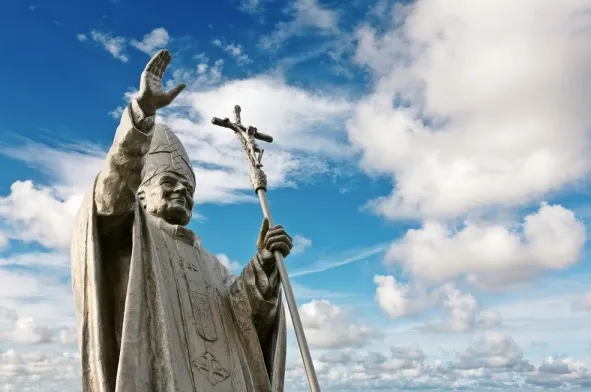
While any Catholic male could theoretically become the next pope, there's one group who's not even in the running: women.
That means as the cardinals enter the Sistine Chapel for conclave, scheduled for Tuesday (March 12), to elect the next pope after the resignation of Pope Benedict XVI, women don't have a chance.
Article continues belowBut a woman is barred from becoming pope, because the person chosen for the position would have to be ordained — and women are barred from becoming priests.
According to the Catholic Church catechism, Jesus Christ chose 12 men to be his apostles, and they in turn chose men to continue their ministry. Therefore, the Catholic Church argues it is bound by that precedent.
"Even if the current pope was the most feminist person you could meet and believes women should be priests, they want to be faithful to what they see as Jesus's intentions," said Michele Dillon, a sociologist at the University of New Hampshire who studies Catholic culture in America. The logic goes that "had Jesus wanted women to be priests he would have called them to be his apostles." [Papal Primer: History's 10 Most Intriguing Popes]
Another roadblock is the notion that when they say the mass (in which Catholics believe the bread and wine become the body and blood of Jesus), priests are reciting Jesus's statements from the Last Supper, when he said "do this in remembrance of me."
"They want that to be mimicked in the physical body of a man," Dillon said.
In addition, the church says it can't ordain women, because it's a long-established tradition, Dillon said.
While many Catholics support the idea of allowing women to be ordained, the chances that the church will change its stance are slim, Dillon told LiveScience.
During his tenure, Pope John Paul II not only reaffirmed the ban, he said that even publicly discussing the issues shows a lack of respect for the Catholic tradition, she said. Benedict has reasserted this position, and last summer, the church rebuked a prominent conference of Catholic women, called the Leadership Conference of Women Religious, for not being sufficiently strong in their condemnation of the idea, Dillon said.
"So it’s not even a question that's up for dialogue," Dillon said.
However some theologians have argued that women should be ordained, saying the claim that Jesus chose male apostles doesn't hold water in supporting females being banned from priesthood. For instance, just because apostles were Jewish fishermen, that doesn't mean priests have to be Jewish fishermen. And Jesus also surrounded himself with women who played a very important role in his ministry.
Because it is part of official church doctrine, changing the church's stance on women would probably be a long process, where the pope convened a group of bishops, cardinals and lay leaders to discuss the issue, she said.
"The odds of that happening are very, very minimal," she said. "I think they would really look at all other possibilities first, including removing the celibacy grounds for priests."
Follow Tia Ghose on Twitter @tiaghose. Follow LiveScience on Twitter @livescience, Facebook & Google+. Original article on LiveScience.com.

