













Haunt Cuisine: 8 Tips for Trick-or-Treaters with Allergies

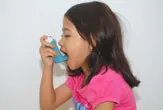
Costumes and candy make Halloween fun, but for kids with food and other allergies, they can pose hidden dangers.
Here are some tips from the American Academy of Allergy Asthma and Immunology (AAAAI) and the American College of Allergy, Asthma and Immunology (ACAAI) to keep children with allergies safe this Halloween.
1. Check all candy ingredients on packages or the company's website to ensure there's nothing that would cause a reaction if your child has food allergies.
2. Remember that "fun-size" candy bars can have different ingredients than the full-size version, so don't assume the fun size is safe for kids with allergies just because the full size is.
3. Make sure to bring emergency medications, such as inhalers or injectable epinephrine, along with the candy bag when trick-or-treating. Children should also wear medical alert identification bracelets or chains that state their allergic condition.
4. Feed the kids before they go out trick-or-treating, so they are less tempted to sneak a bite of potentially problematic candy. When you get home, trade the collected candy for allergen-free candy you’ve purchased. Or have kids with allergies swap their problematic candy with friends who don't have allergies.
5. Teach your children to refuse offers of homemade treats, because you can't be sure of what's in them.
Get the world’s most fascinating discoveries delivered straight to your inbox.
6. Throw a Halloween party instead of going out. This way you can control the food options, and offer fun activities such as a haunted house or pumpkin carving.
7. Costume masks can interfere with breathing, so children with asthma should wear a half mask that leaves their nose and mouth uncovered, or no mask at all.
8. Be sure to read labels of masks and costumes, which may contain latex and other common allergens. Makeup, hair dyes and decorations can also include irritants that trigger asthma, or cause an itchy allergic reaction. If your child is eczema-prone, use hypoallergenic makeup or steer clear of makeup altogether.
- Halloween Health: The Best and Worst Trick-or-Treat Candy
- Poisoned Halloween Candy: Trick, Treat or Myth?
- Mother's Stress Exacerbates Child's Asthma
This story was provided by MyHealthNewsDaily, a sister site to LiveScience.
