













Exotic Animals Found in Tanzanian Mountains
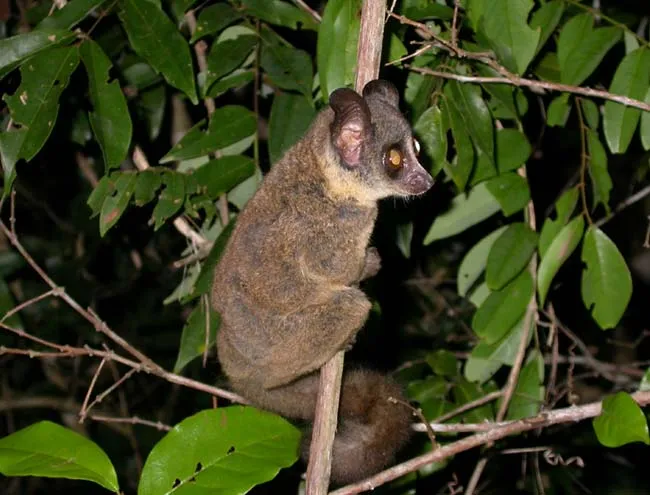
In the first field survey of the Rubeho Mountains in Tanzania, scientists have documented more than 160 animal species.
Among the mix were a new species of frog, several bush babies, and 11 species found only in the Rubeho region.
However, deforestation in the Eastern Arc region—the heavily forested mountain chain that includes the Rubehos in eastern Tanzania—threatens these animals and human residents too.
Cry like a baby
An international team of scientists used a slew of photo traps, audio recordings, and tracking techniques over the course of two years to identify the animals. Photo traps, which are remotely-triggered cameras set off my animal movement, captured images of mammals such as a red duiker (Cephalophus natalensis) and a Mountain dwarf galago (Galagoides orinus).
Galagos are small, nocturnal primates with large, round eyes and are commonly known as bush babies, a name which likely stems from the animal's human baby-like cries.
Other endemic species spotted in the Eastern Arc include two chameleons, a Zanzibar bush baby, the checkered elephant shrew (Rhynchocyon cirnei), and several birds.
Get the world’s most fascinating discoveries delivered straight to your inbox.
In one small valley, researchers discovered a new species of frog (Arthroleptis nikeae). The amphibian is a little over 2 inches from snout to bottom and has smooth, brown-patterned skin.
The human factor
While the team observed rich animal life, they also spotted alarmingly large encroachments of human activity into the forests. In one spot, 49 acres of an official forest reserve had been cleared for bean and tobacco farms, while other areas showed evidence of logging and hunting camps.
"Surveying just one section of the Eastern Arc, we discovered a little frog no one knew existed," said Nike Doggart of the Tanzania Forest Conservation Group and lead author of the study. "Imagine what other wildlife we may discover if we can help preserve the whole mountain range."
Protecting the rainforest range within the Eastern Arc is important for sustaining people as well. The trees in the region capture and direct water into two nearby rivers, which deliver drinkable water to towns and are used to generate hydroelectric power.
The study is detailed in this month's issue of the African Journal of Ecology.
- Success Stories: Species on the Rebound
- Everest Expedition Uncovers Exotic Species
- New Genus of Cricket Found in Arizona Cave
- 27 Unknown Creatures Found in California Caves
- Gallery: Endangered and Threatened Wildlife