













Brain Chemical Makes Us More Impulsive

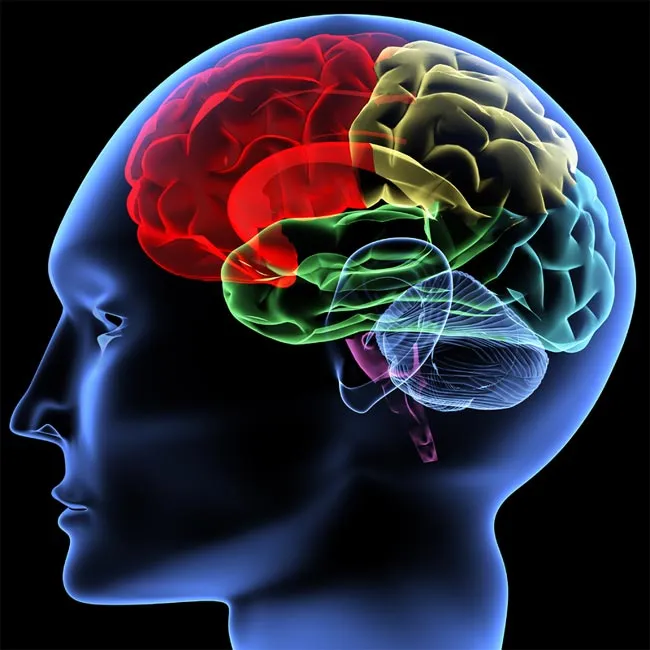
A boost in the brain's "feel good" chemical dopamine makes humans more impulsive, a new study suggests.
The results show increased levels of dopamine — a neurotransmitter involved in processing rewards in the brain — make people more likely to opt for instant gratification (that cookie staring at you), rather than waiting for a more beneficial reward later on (tighter abs, for instance).
"Every day we are faced with decisions that offer either instant gratification or longer-term, but more significant reward," explained study researcher Alex Pine, of University College London. "Do you buy your new iPhone today or wait six months till the price comes down? Do you diet or eat that delicious-looking cake?"
The research might help explain why people affected by conditions such as Attention Deficit/Hyperactivity Disorder (ADHD), characterized by high levels of dopamine in the brain, tend to show extremely impulsive behavior. It also suggests why such behavior can be a potential negative side-effect of L-dopa, a drug used to help alleviate the symptoms of Parkinson's disease that boosts brain dopamine levels.
Giving in to temptation
To test the effect of dopamine on decision-making, Ray Dolan, also of University College London, and colleagues carried out a test with 14 healthy volunteers under two conditions: once when given a low dose of L-dopa and once when given a placebo. Under each condition, the subjects were asked to make a number of choices consisting of either a "smaller, sooner" option, for example receiving $22 (£15) in two weeks, or a "larger, later" option, such as receiving $86 (£57) in six months.
Participants had their brains scanned using functional magnetic resonance imaging (fMRI).
Get the world’s most fascinating discoveries delivered straight to your inbox.
Every subject was more likely to behave more impulsively — choosing the "smaller, sooner" option — when levels of dopamine in the brain were boosted. On the whole, the number of sooner options chosen increased by almost a third in the dopamine scenario, although each subject varied on this measure.
This finding may also explain why we tend to behave more impulsively when influenced by external cues.
"We know that sensory inputs — sights, sounds, smells and anticipation of rewards, or even of neutral cues which have been associated with rewards — momentarily boost dopamine levels in our brains, and our research shows that higher dopamine levels make us act more impulsively," he said.
Decreasing dopamine
The researchers also tested the subjects under the influence of small doses of haloperidol, a dopamine suppressant; however, the results were inconclusive, showing little difference from the effect of the placebo. Pine cautions against the idea that dopamine suppressants might be used to help combat impulsivity and addiction.
"Dopamine plays a wide role in the brain, from movement through to cognition," he explained. "Lowering dopamine levels may be able to reduce impulsivity, but we need to be certain that this didn't come at the expense of other, important functions."
The results were published online June 29 in the Journal of Neuroscience.
