













Half of Depressed Americans Get No Treatment

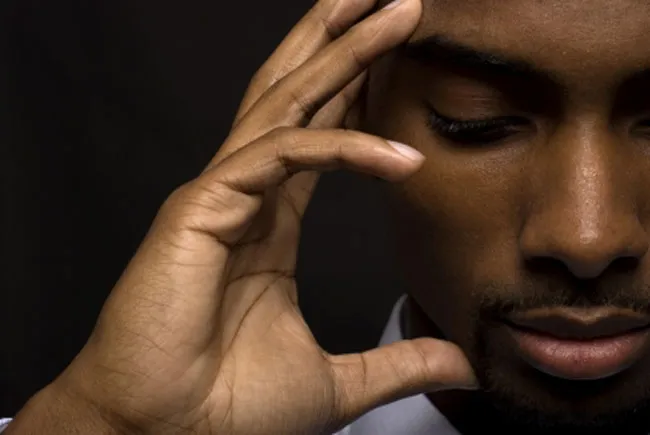
About half of Americans with major depression do not receive treatment for the condition, and in many cases the therapies are not consistent with the standard of care, according to a new study.
The study also showed that ethnicity and race were important factors in determining who received treatment, with Mexican Americans and African Americans the least likely to have depression care.
While many people can feel sad from time to time, a depressive disorder occurs when these feelings start to interfere with everyday life, preventing someone from functioning normally, according to the National Institutes of Health (NIH). The condition can be debilitating, hindering a person's ability to work, sleep and eat. A combination of factors likely contributes to the disorder, including imbalances in brain chemicals, genetics, and stressful situations, the NIH says.
Pervious research has indicated that many Americans with depression go untreated, but the current study was the first to break down large ethnic and racial groups into subgroups to look at disparities in treatment.
The researchers used information from the National Institute of Mental Health's Collaborative Psychiatric Epidemiology Surveys — a combination of three surveys conducted between 2001 and 2003 with a total of 15,762 participants.
Of those surveyed, 8.3 percent had major depression, and about 50 percent of those with the condition received at least one type of treatment. However, only about 21 percent had therapies that followed accepted treatment guidelines from the American Psychiatric Association. For example, a situation in which a patient took antidepressants for only one week instead of 60 days and was not monitored by a physician would be against the standard of care, said study researcher Hector M. González of Wayne State University in Detroit, Mich.
González and his colleagues also found that Mexican Americans, African Americans and Caribbean blacks were less likely to receive drug treatment or counseling. On the other hand, non-Latino whites and Puerto Ricans received the highest use of both therapy types.
Get the world’s most fascinating discoveries delivered straight to your inbox.
The results counter previous research that showed Latinos and whites have about the same treatment rate, González said. "By breaking Latinos down into subethnicities, we found these disparities in care," González told LiveScience. The higher rates of depression care among Puerto Ricans found in González's study may explain why past research showed Latinos and whites receiving similar care, he said.
The study also showed that psychotherapy (counseling) was used more than drug therapy overall. Psychotherapy rates were highest amongst Mexican and African Americans, suggesting that this type of therapy may be more accepted by these groups and thus could be one method for improving depression care in these minorities, González said.
The results were published in the January issue of the Archives of General Psychiatry, a journal of the American Medical Association. The work was funded by the National Institutes of Health, National Institute of Mental Health, and the National Institute on Aging.
- Top 5 Keys to Happiness
- The Science (and Art) of Depression Medication
- All About Depression

Rachael is a Live Science contributor, and was a former channel editor and senior writer for Live Science between 2010 and 2022. She has a master's degree in journalism from New York University's Science, Health and Environmental Reporting Program. She also holds a B.S. in molecular biology and an M.S. in biology from the University of California, San Diego. Her work has appeared in Scienceline, The Washington Post and Scientific American.