













Zika Misperceptions: Many in US Unaware of Key Facts
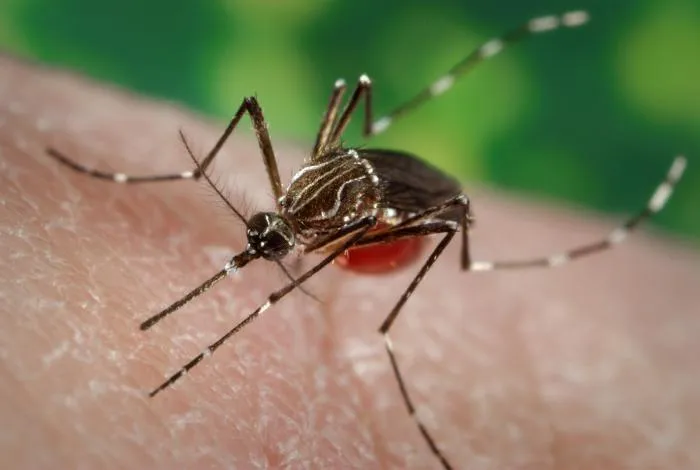
Many people in the U.S. are not aware of key facts about the Zika virus, according to the results of a new poll.
Researchers found that, for example, in households that included a woman who was either pregnant or considering getting pregnant in the next year, 1 in 4 people were not aware of the link between the Zika virus during pregnancy and microcephaly, a birth defect that causes an abnormally small brain and head.
"We have a key window before the mosquito season gears up in communities within the United States mainland to correct misperceptions about Zika virus so that pregnant women and their partners may take appropriate measures to protect their families," Gillian SteelFisher, director of the poll and a health policy research scientist at the Harvard T.H. Chan School of Public Health, said in a statement. [Zika Virus News: Complete Coverage Of The Outbreak]
The researchers recently polled 1,275 people in the U.S., including 105 people who live in households with a woman who is pregnant or considering getting pregnant in the next 12 months.
They found that, among the people who live in such households, 1 in 5 incorrectly believed that there is a vaccine against the Zika virus infection.
Moreover, 4 in 10 did not know that the virus can be sexually transmitted, the researchers found. In addition, a quarter said they thought that people infected with Zika are "very likely" to show symptoms of an infection. (In reality, only about 1 in 5 people infected with the virus show any symptoms of the infection, according to the Centers for Disease Control and Prevention.)
These results suggest that this key group of people — those who are pregnant, trying to get pregnant, or close to someone who is pregnant or trying — does not have accurate information about the Zika virus, the researchers said.
Get the world’s most fascinating discoveries delivered straight to your inbox.
The findings also suggest that researchers or doctors need to get this information to women and their partners, SteelFisher said.
In their study, the researchers also found that the public, and not just people in households with pregnant women, also have certain misperceptions about the virus. [The 9 Deadliest Viruses on Earth]
For example, 4 in 10 people believe that, if a woman who is not pregnant becomes infected with the virus, it is likely to harm her potential future pregnancies. However, according to data provided by the CDC, "the Zika virus infection in a woman who is not pregnant would not pose a risk for birth defects in future pregnancies after the virus has cleared from her blood."
The CDC currently recommends that women who do become infected with Zika wait eight weeks from the time their symptoms started before trying to become pregnant.
Though the vast majority of people know that the Zika virus is transmitted by mosquitoes, many of them have misperceptions about other facts related to its transmission. For example, 4 in 10 people are unaware that the virus can be transmitted sexually. And about a third mistakenly believe that the virus is transmitted through coughing and sneezing, the researchers found.
Such misperceptions could either prevent people from taking precautions they need to take, or they could lead them to take precautions that are inappropriate or unnecessary, SteelFisher said.
Follow Agata Blaszczak-Boxe on Twitter. Follow Live Science @livescience, Facebook & Google+. Originally published on Live Science.