













Antioxidant Supplements May Accelerate Melanoma Spread
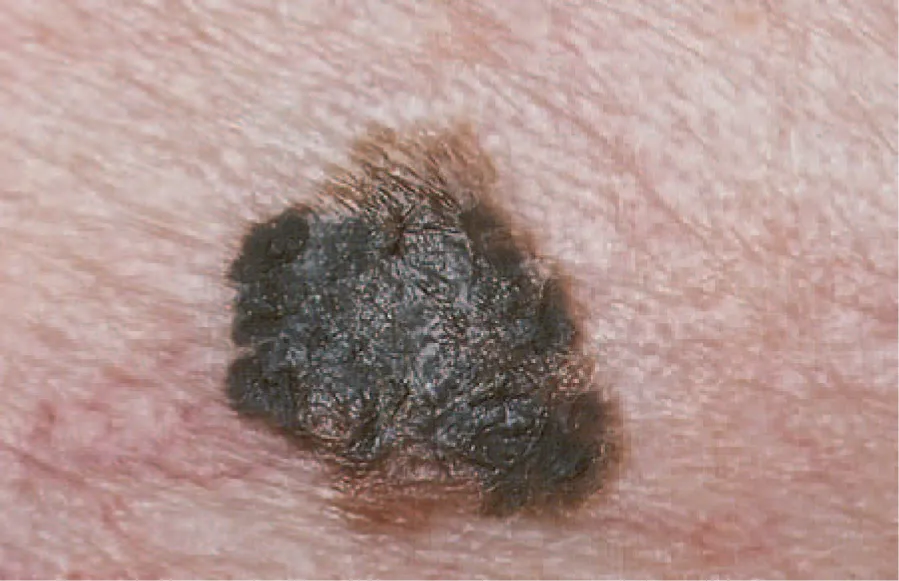
Antioxidants are often touted for their potential cancer-fighting abilities, but now researchers say the compounds may actually speed up the spread of the potentially deadly skin cancer melanoma, according to a new study done in mice and in cultured human cancer cells.
Antioxidants are compounds in foods and supplement pills that may prevent oxidation, which can damage cells. The compounds are widely consumed by both healthy people and people with cancer for their supposed ability to prevent and fight cancer, the researchers said.
But research on the anti-cancer benefits of antioxidants has yielded mixed results, with some studies showing that taking antioxidants may actually increase cancer risk, they said.
In the new study, the researchers found that mice that had melanoma and were given an antioxidant supplement called N-acetylcysteine (NAC) for about 80 days had double the number of tumors that spread to their lymph nodes, compared with mice that had melanoma but were not given with the antioxidant.
In addition, the researchers found that human melanoma cells growing in lab dishes that were exposed to NAC and vitamin E, another antioxidant, showed signs of becoming better able to invade tissues or spread to other parts of the body than cells not exposed to these antioxidants. [Top 10 Cancer-Fighting Foods]
Based on the new results, "it is not far-fetched to propose that antioxidants could increase [the spread of cancer] in melanoma patients," said study author Martin Bergo, of the University of Gothenburg in Sweden.
Moreover, there is no evidence that taking antioxidant supplements would be beneficial for patients with melanoma, he said. "Therefore, we would recommend people who have been diagnosed with malignant melanoma to avoid antioxidant supplements," Bergo told Live Science.
Get the world’s most fascinating discoveries delivered straight to your inbox.
The changes in the mice's melanoma tumors that the researchers observed in the study were profound, said Ekaterina Dadachova, a professor of radiology at Albert Einstein College of Medicine in New York, who was not involved in the study.
However, Dr. Vadim Gushchin, an oncologist at Mercy Medical Center in Baltimore, noted that the results are preliminary, and said that more research in humans is needed to examine the link between the increased spread of melanoma and the use of antioxidant supplements.
Still, Gushchin said, the new study "tells me that the narrative that certain things are undoubtedly good for you, and certain things are good unconditionally, with no side effects — that is probably a wrong narrative."
The study is one of several published in recent years "that are fueling a controversy about using antioxidants in cancer patients," Dadachova told Live Science.
On the one hand, "antioxidants are often given to cancer patients to boost their immune system," she said. However, research has also shown that the use of antioxidants during anti-cancer therapies such as chemotherapy may actually make such therapies less effective. This is because the goal of these therapies is to generate molecules called reactive oxygen species, which are the exact compounds that antioxidants are designed to fight, Dadachova said.
Moreover, the authors of the new study had previously found that the use of antioxidants seemed to increase the growth of human lung cancer cells in lab dishes, as well as the growth of lung tumors in mice.
In addition, other research has shown that taking antioxidant supplements may actually increase the risk of developing certain cancers in otherwise healthy people. For example, in one study of 36,000 healthy, middle-age men, researchers found that taking vitamin E for several years was linked to a 17 percent increase in the men's risk of prostate cancer.
However, it is important to note that, in all of these studies, the researchers looked at antioxidants in supplement form.
Supplements typically contain much higher levels of antioxidants than natural foods, Dadachova said. "One would have to eat several pounds of vitamin-E-containing food in order to reach the level that would be in one supplement tablet," she said. Consuming antioxidants from natural foods is safe, she added.
In fact, Dadachova recommended that patients with cancer should stick with natural foods containing a variety of vitamins, many of which are natural antioxidants, but they should not take antioxidant supplements, at least not in huge amounts, she said.
The new study was published today (Oct. 7) in the journal Science Translational Medicine.
Follow Agata Blaszczak-Boxe on Twitter. Follow Live Science @livescience, Facebook & Google+. Originally published on Live Science.