













Watch for Fake Ebola Cures Online, FDA Warns

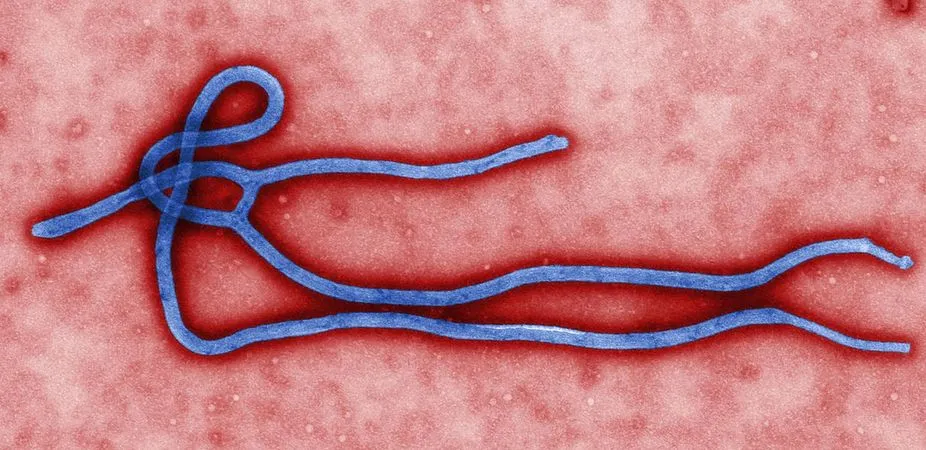
There is no approved treatment for patients infected with the Ebola virus, but that hasn't stopped online dealers from offering products they claim will prevent the virus or treat people who have the infection.
The U.S. Food and Drug Administration is warning consumers today (Aug. 14) that products claiming to prevent or treat Ebola virus infections are fraudulent. The FDA has received complaints about a number of such products since the Ebola virus outbreak began in West Africa, according to a statement from the agency.
There are experimental Ebola vaccines and treatments in the early stages of development, and researchers are testing the safety and effectiveness of these medicines. However, the supply of such treatments is limited, the FDA said. [5 Things You Should Know About Ebola]
But dietary supplements, by U.S. law, cannot purport to treat or cure disease. People who promote unapproved products should correct their advertisements and remove any claims that they have a drug or device that can prevent or treat Ebola, the FDA said. Those who don't do so will face FDA action, the administration said.
People who see fraudulent claims about the virus can notify the FDA.
The Ebola virus doesn't pose a significant risk to the U.S. public, officials at the Centers for Disease Control and Prevention have said.
The virus is transmitted through bodily fluids from people who show symptoms of the illness, or via contaminated devices such as needles. Ebola is not a water-borne or food-borne illness, nor does it travel through the air.
Get the world’s most fascinating discoveries delivered straight to your inbox.
Follow Laura Geggel on Twitter @LauraGeggeland Google+. Follow Live Science @livescience, Facebook & Google+. Original article on Live Science.
Laura is the managing editor at Live Science. She also runs the archaeology section and the Life's Little Mysteries series. Her work has appeared in The New York Times, Scholastic, Popular Science and Spectrum, a site on autism research. She has won multiple awards from the Society of Professional Journalists and the Washington Newspaper Publishers Association for her reporting at a weekly newspaper near Seattle. Laura holds a bachelor's degree in English literature and psychology from Washington University in St. Louis and a master's degree in science writing from NYU.