













Not Enough Teens Get HPV Vaccine, CDC Finds

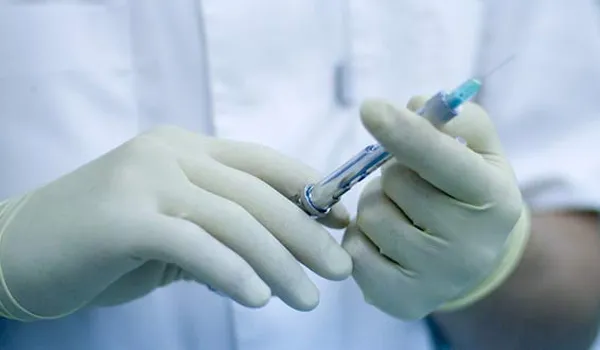
Even though the human papillomavirus (HPV) vaccine can protect against HPV infections as well as cancers later in life, the number of teenage girls and boys in the United States who have received the vaccine remains "unacceptably low," officials at the Centers for Disease Control and Prevention (CDC) announced today (July 24).
In 2013, just 57.3 percent of girls between ages 13 and 17 received one or more doses of the HPV vaccine. Only 37.6 received the recommended series of three doses, according to the CDC study. Among boys, 34.6 percent received at least one dose and only 13.9 received the recommended three doses.
These rates are higher than the levels of coverage against HPV in 2012, when 53.8 percent of girls and only 20.8 of boys received at least one dose of the vaccine. But CDC officials say doctors are clearly missing opportunities to vaccinate teens at the same time as teens are given other standard immunization shots, such as the tetanus, diphtheria and pertussis (Tdap) vaccine and meningococcal vaccines. About 86 percent of 13- to 17-year-olds had received one dose of the Tdap vaccine. [5 Dangerous Vaccination Myths]
"The high coverage rate of Tdap vaccine shows us that it is certainly possible to reach our goal of vaccinating 80 percent of adolescents against cancers caused by HPV," Dr. Anne Schuchat, assistant surgeon general and director of CDC's National Center for Immunization and Respiratory Diseases, said in a statement.
"Pediatricians and family physicians are uniquely situated to prevent missed opportunities by giving HPV vaccine during the same visit they give Tdap and meningococcal vaccines," Schuchat said, adding that it was especially "frustrating" to report almost the same level of coverage for girls after another year.
The HPV vaccine was introduced in 2006 and the CDC now recommends that boys and girls receive it at age 11 or 12. Studies have shown that the HPV vaccine is safe and can dramatically cut the risk of not only HPV infections but also the risk of developing the early stage of certain cancers. According to the CDC, HPV causes more than 32,000 cancers in the United States each year, including 20,000 cases in women (most cases are cervical cancer), and 12,000 cases in men (mostly oropharyngeal, or throat, cancers).
The new study was based on the National Immunization Survey, in which parents and guardians of 13- to 17-year-olds were asked about the vaccine their kids have received. The data set, verified with medical records, involved more than 18,000 adolescents.
Get the world’s most fascinating discoveries delivered straight to your inbox.
Not receiving a doctor's recommendation was one of the top five reasons parents cited for not vaccinating their kids against HPV. This reason was cited by 13 percent of parents of girls, and 22.8 of parents of boys. Many parents also said they didn't get their kids vaccinated against HPV because of a lack of knowledge (15.5 percent for both boys and girls) and fears over the safety of the vaccine (14.2 percent for girls; 6.9 percent for boys).
Others said they didn't think the vaccination was necessary (14.7 percent for girls; 17.9 percent for boys). And even though the HPV vaccine is recommended for teens before they become sexually active, some parents said they didn't have their child vaccinated because their teen was not sexually active (11.3 percent for girls; 7.7 percent for boys).
The findings were published in the CDC's Morbidity and Mortality Weekly Report.
Follow Megan Gannon on Twitter and Google+. Follow us @livescience, Facebook & Google+. Original article on LiveScience.com
