













Are Warts Contagious?
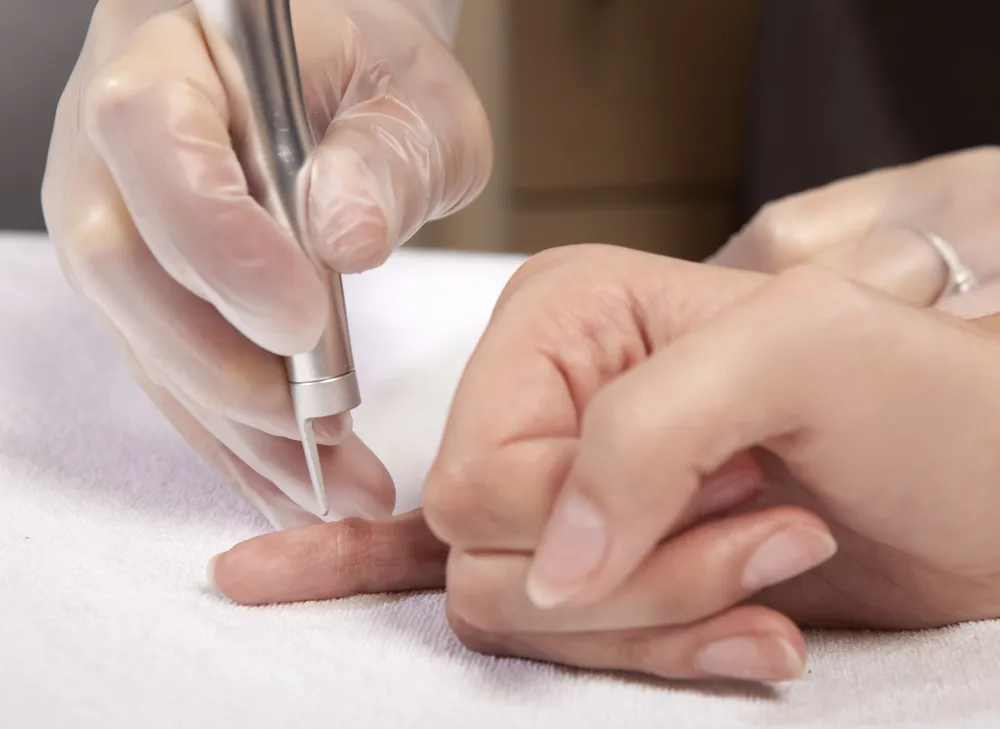
Warts are growths on the surface of the skin caused by human papillomavirus (HPV). While usually benign, these pesky bumps are in fact contagious.
In fact, a recent study by researchers at New York University found that 69 percent of healthy Americans have an HPV infection on some part of their body. And according to the Centers for Disease Control (CDC), about 14 million people become newly infected with the virus every year in the U.S.
While many people associate HPV with genital warts, less than half of the more than 100 known strains of the virus cause this type of infection. More commonly, HPV causes warts to grow on the hands, fingers, feet, toes, knees and face. [See also: What's the Best Way to Treat Warts?]
Studies have shown that common warts (i.e. not genital warts) can be spread through skin-to-skin contact. However, not all strains of the virus are highly contagious. Ultimately, susceptibility to the virus depends on a person's immune system. Researchers have found that even people within the same family experience different reactions to HPV.
It is possible to reduce the risk of contracting HPV and developing common warts. Because HPV thrives in moist, warm environments, medical professionals recommend wearing shoes in locker rooms, pool decks and other (slightly grimy) places to avoid picking up the virus. And if you have warts, be careful about sharing your stuff with others. Shared towels, socks and shoes can all carry HPV.
More Information about warts:
- http://www.nlm.nih.gov/medlineplus/hpv.html
- http://www.aad.org/dermatology-a-to-z/diseases-and-treatments/u---w/warts/tips
- http://www.mayoclinic.org/diseases-conditions/plantar-warts/basics/causes/con-20025706
Follow Elizabeth Palermo on Twitter @techEpalermo, Facebook or Google+. Follow Live Science @livescience. We're also on Facebook & Google+.
Get the world’s most fascinating discoveries delivered straight to your inbox.