














Moving at the Speed of Clicks: Improving Computer Efficiency
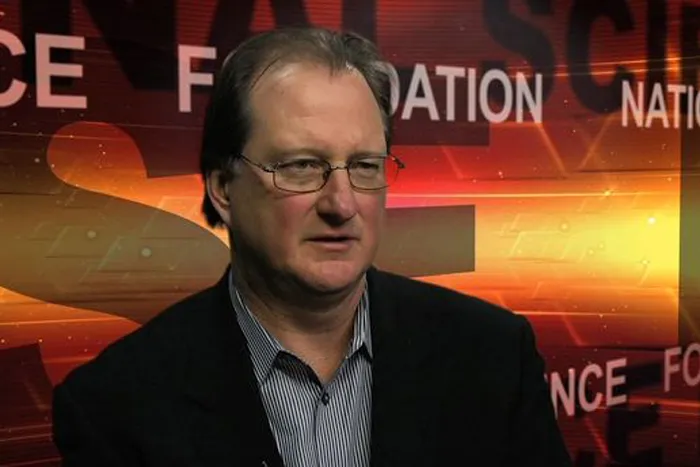
This ScienceLives article was provided to LiveScience in partnership with the National Science Foundation.
The computer is one of the most complex machines ever devised and most of us only ever interact with its simplest surfaces. For each keystroke and web-click, thousands of instructions must be communicated in diverse machine languages and millions of calculations computed.
Mark Hill knows more about the inner workings of computer hardware than most. As Amdahl Professor of Computer Science at the University of Wisconsin, he studies the way computers transform 0s and 1s into social networks and EBay purchases, following the chain reaction from personal computer to processor to network hub to cloud and back again.
One of the main ways that Hill does this is by analyzing the performance of computer tasks. Like a coach with a stopwatch, Hill times how long it takes an ordinary processor to, say, analyze a query from Facebook or perform a web search. He's not only interested in the overall speed of the action, but how long each step in the process takes.
Through careful analysis, Hill uncovers inefficiencies, sometimes major ones, in the workflows by which computers operate and creates new solutions that make computers more powerful, more energy effective and easier to program.
Name: Mark Hill Institution: University of Wisconsin Field of Study: Computer Science
Editor's Note: The researchers depicted in ScienceLives articles have been supported by the National Science Foundation, the federal agency charged with funding basic research and education across all fields of science and engineering. Any opinions, findings, and conclusions or recommendations expressed in this material are those of the author and do not necessarily reflect the views of the National Science Foundation. See the ScienceLives archive.
Get the world’s most fascinating discoveries delivered straight to your inbox.