













Eating Beans Helps Lower Bad Cholesterol
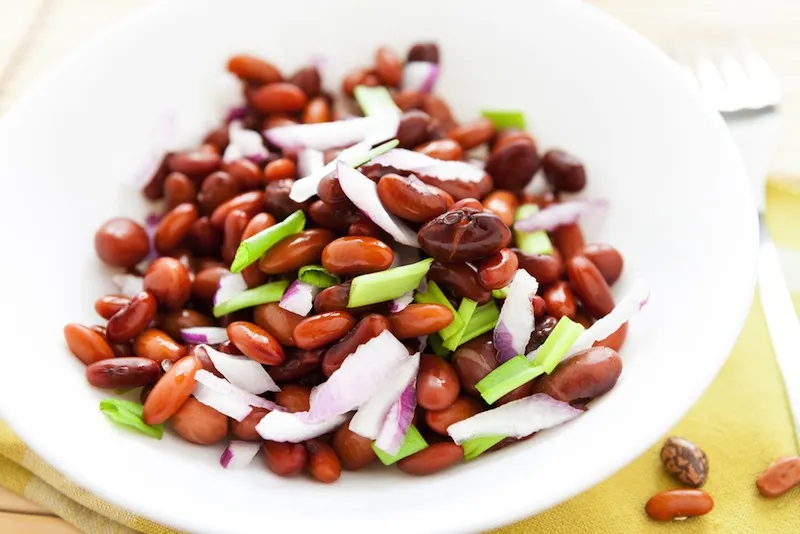
That old childhood ditty about "Beans, beans, the musical fruit …" really does tell the truth in the verse about beans being good for the heart, new research suggests.
Eating a daily serving of cooked beans is linked with lower levels of "bad" low-density lipoprotein (LDL) cholesterol, according to a new review study from researchers in Canada.
"We found a 5 percent reduction in bad cholesterol with one serving of legumes a day over six weeks on average," said study co-author Vanessa Ha, a research coordinator at the Clinical Nutrition and Risk Factor Modification Center at St. Michael's Hospital in Toronto.
One serving equals about three-quarters cup of cooked legumes.
"When we compared beans, chickpeas, lentils and peas, we found no difference in the cholesterol-lowering effects of different types of legumes," Ha said. [Heart of the Matter: 7 Things to Know About Your Ticker]
The researchers evaluated data collected from 26 clinical trials involving 1,037 men and women who were primarily middle-age. Some of the trials involved healthy adults, while others included participants who were at moderate risk for heart disease.
The findings are published online today (April 7) in the Canadian Medical Association Journal.
Get the world’s most fascinating discoveries delivered straight to your inbox.
Bean benefits
When researchers compared men and women who included legumes in their diet with adults who did not, they found that people eating about one serving of legumes a day dropped LDL cholesterol by 0.17 points (measured in milimoles/Liter), on average, in six weeks.
Legumes had no effect on apolipoprotein B and non-HDL cholesterol, which are two other factors tied to heart disease; however, the researchers noted that fewer studies in the review evaluated these factors.
Eating beans seemed to benefit men's LDL cholesterol levels more than women's, perhaps because men had higher cholesterol levels or poorer diets to begin with, and responded better when they ate healthier foods, the researchers said.
Eating beans on a daily basis could help improve cholesterol levels in two different ways. One is by displacing other foods in the diet that may not be as heart healthy, such as foods high in saturated fats, like red meat and cheese, or high-glycemic foods, such as white rice and white bread, Ha said.
A second way is that beans, lentils and chickpeas are good sources of fiber, plant protein, vitamins and minerals, which may all play a role in lowering cardiovascular disease, she said.
Heart-healthy eating
Despite their health benefits, legumes still aren't a common food at mealtimes. By one estimate, Americans currently eat 0.2 servings daily on average.
"There's room or the potential to increase legume consumption as entrees, in soups or salads, or as a snack, like hummus," Ha said. People could eat dried green peas, lentils, chickpeas or beans — black, red, kidney, lima, pinto and cannellini, she said.
Perhaps some people worry that eating more of the "musical fruit," as the song suggests, might make them "toot." And although some studies in the analysis reported that participants complained of an upset stomach, flatulence or bloating, when they first included more legumes in their diet, they found that people's symptoms subsided with time.
The researchers said that longer and higher-quality studies are needed to confirm their results, but it still makes sense to eat more heart-healthy foods including beans.
A previous study found that a person who switched from a less healthy plan to a heart-healthy diet, which is high in fiber and low in saturated fats, might expect to reduce LDL levels by 5 to 10 percent. If that person also increased legume intake to one serving a day, it could drop LDL cholesterol by another 5 percent.
Legumes aren't the only foods that might help cut cholesterol. Other research has shown that eating more oats and barley could drop LDL by 5 percent each.
"The benefits of increasing heart-healthy foods at mealtimes can really add up, to comparable LDL reductions seen with some statin drugs," Ha said.
Follow us @livescience, Facebook & Google+. Original article on Live Science.
Cari Nierenberg has been writing about health and wellness topics for online news outlets and print publications for more than two decades. Her work has been published by Live Science, The Washington Post, WebMD, Scientific American, among others. She has a Bachelor of Science degree in nutrition from Cornell University and a Master of Science degree in Nutrition and Communication from Boston University.