













Procedural Memory: Definition and Examples
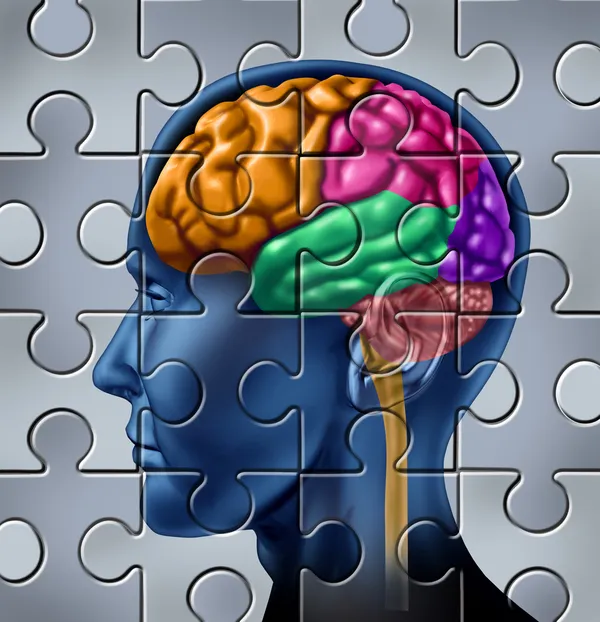
Procedural memory is a part of the long-term memory that is responsible for knowing how to do things, also known as motor skills. As the name implies, procedural memory stores information on how to perform certain procedures, such as walking, talking and riding a bike. Delving into something in your procedural memory does not involve conscious thought.
Procedural memory is a subset of implicit memory, sometimes referred to as unconscious memory or automatic memory. Implicit memory uses past experiences to remember things without thinking about them. It differs from declarative memory, or explicit memory, which consists of facts and events that can be explicitly stored and consciously recalled or "declared."
Examples of procedural memory
Musicians and professional athletes are said to excel, in part, because of their superior ability to form procedural memories. Procedural memory is also important in language development, as it allows a person to talk without having to give much thought to proper grammar and syntax.
Some examples of tasks dependent upon procedural memory:
- Playing piano
- Skiing
- Ice skating
- Playing baseball
- Swimming
- Driving a car
- Riding a bike
- Climbing stair
Declarative memory vs. procedural memory
One example of the differences between procedural and declarative memory is that procedural memory allows you to remember how to ride a bike even if you haven’t done so in years, while you need to rely on declarative memory to recall the route to a nearby park and back home.
While a declarative memory can be explained, it is difficult for most people to verbalize a procedural memory. Giving someone directions to the store, which involves declarative memory, is easier to communicate than the task of driving.
Some examples of declarative memory:
Get the world’s most fascinating discoveries delivered straight to your inbox.
- Knowing your address
- Recalling that Trenton is the capital of New Jersey
- Remembering your office phone number
The brain & procedural memory
In the brain, the prefrontal cortex, parietal cortex, and cerebellum are all engaged early in learning motor skills. The cerebellum is especially important, as it is needed to coordinate the flow of movements required for skilled motion and timing of movements.
While we have all of the neurons we need for life when we are born, they have to be programmed through experience to perform tasks such as seeing and hearing, and later walking and talking.
Procedural memories are formed when repeated signals reinforce synapses. Although a procedural memory can be as basic as forming a connection between two nerve cells in your fingertip, other procedural memories are more complex and take longer to form.
Procedural memory psychology
Researchers who have studied procedural memory say that it forms a person's character. The basis of the theory is that learning certain behaviors or emotional responses causes them to become automatic responses to specific situations. This can reinforce good habits but also make it difficult to shed bad habits, as it takes a great deal of effort to replace a positive behavior with a negative behavior.
Damage to certain areas of the brain such as the cerebellum and basal ganglia can affect procedural learning. In studies of people with brain injuries, researchers have demonstrated that procedural and declarative memory formation appear to be controlled by different parts of the brain. In addition, these memory systems can function independently.
In a 1997 study of Alzheimer patients, it was discovered that procedural memory functions better than declarative memory because procedural memory is less dependent on the affected regions of the brain such as the basal ganglia and the cerebellum. As cognitive function declines, declarative and episodic memory deteriorates faster than procedural memory.
Related:
Kim Ann Zimmermann is a contributor to Live Science and sister site Space.com, writing mainly evergreen reference articles that provide background on myriad scientific topics, from astronauts to climate, and from culture to medicine. Her work can also be found in Business News Daily and KM World. She holds a bachelor’s degree in communications from Glassboro State College (now known as Rowan University) in New Jersey.