













Red Face May Reveal Drinking Dangers

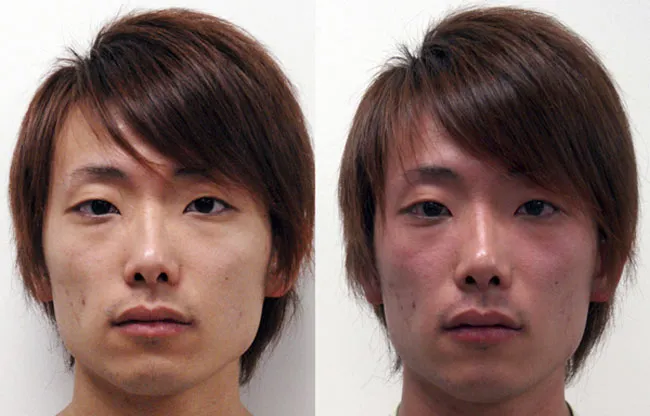
A red face after drinking alcohol may be a warning sign — a new study has found that people who get flushed after drinking are at increased risk for developing high blood pressure.
The researchers looked at the risk of hypertension (high blood pressure) in 1,763 Korean men, including 527 men who became flush after drinking, 948 who didn't get flush after drinking and 288 who didn't drink.
Scientists found that the "flushers" who drank more than four drinks a week had more than double the risk of hypertension, compared with men who didn't drink.
In contrast, "nonflushers" had an increased risk of hypertension only if they consumed more than eight alcoholic beverages a week.
In other words, flushers were more likely to develop hypertension at a lower level of drinking than nonflushers, the researchers said.
The link between flushing and hypertension held even after the researchers adjusted for age, body mass index, and exercise and smoking status, according to the study, which is published today (Nov. 19) in the journal Alcoholism: Clinical & Experimental Research.
Excessive drinking is a known risk factor for developing hypertension, and the new findings suggest that people with the flush reaction have higher risks even when consuming fewer drinks, compared to people who don't get flush after drinking.
Get the world’s most fascinating discoveries delivered straight to your inbox.
"Facial flushing after drinking is always considered as a symptom of high alcohol sensitivity or even intolerance to alcohol, unless a patient is taking special medicine," that may cause flushing said study researcher Jong Sung Kim, head of the department of family medicine at Chungnam National University in Daejeon, Korea.
Physicians should consider patients' responses to alcohol when evaluating their risk for hypertension, he said. [7 Ways Alcohol Affects Your Health]
Alcohol flush reaction usually occurs in people who are unable to break down acetaldehyde, the first metabolite of alcohol. The condition is more common in women and East Asians (it is sometimes called Asian flush). It is attributed to a genetic change that makes a less functional version of the enzyme responsible for breaking down acetaldehyde. As a result, acetaldehyde builds up in the body.
The condition may have positive and negative effects on health; it has been shown that people with alcohol flush reaction are at increased risk for esophageal cancer if they drink alcohol. On the other hand, some studies have suggested that rates of alcoholism are lower in countries where more people have the genetic variation, possibly because of the negative side effects they experience when drinking.
It's not clear how flushing increases the risk for developing alcohol-related hypertension, but the buildup of acetaldehyde could be to blame, the researchers said. It is possible that acetaldehyde dilates the blood vessels in the skin and periphery of the body, which would decrease the blood flow to the central organs. It could be that the body tries to make up for this low central blood-flow by secreting hormones that increase blood pressure, the researchers said.
The researchers said they recommend that people who experience flushing after drinking limit alcohol consumption to prevent the development of hypertension.
Email Bahar Gholipour. Follow LiveScience @livescience, Facebook & Google+. Original article on LiveScience.
