














5 Ways Toilets Change the World

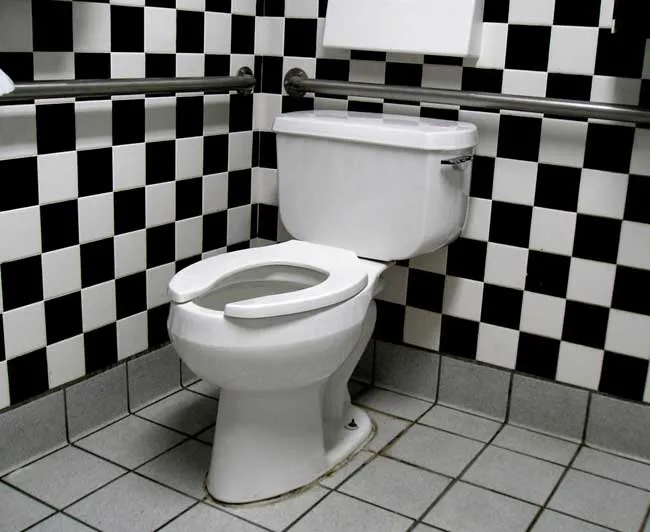
The loo, the W.C., the lavatory, the privy, the porcelain god — while it goes by many names, the toilet — one of life's most mundane objects — plays a fundamental role in society.
Yet more than a third of the world's population lacks access to even a basic pit latrine, and the problem may get worse. A recent statistical analysis predicts the world population will hit 11 billion by 2100. From preventing illness to fostering education, here are five ways toilets change the world:
1. Keeping people healthy
Improper disposal of human waste can cause devastating illness. When people don't have toilets, they defecate in the open, often near living areas or the rivers that supply water for drinking or bathing. For example, about 290,000 gallons (1.1 million liters) of raw sewage goes into the Ganges River in India every minute, according to the World Health Organization. [What 11 Billion People Mean for Sanitation]
Contaminated water causes diarrheal diseases such as cholera, which afflict many people on a chronic basis. In 2012, heavy rains in Sierra Leone and Guinea caused latrines to flood, bringing on a deadly cholera outbreak that killed more than 392 people and sickened more than 25,000 others, according to news reports.
Diseases caused by fecal contamination also lead to malnourishment, low birth weight, cognitive problems and stunted growth. Poor sanitation contributes to two of the three leading causes for preventable death among children under five years old.
2. Preventing blindness
Get the world’s most fascinating discoveries delivered straight to your inbox.
Trachoma, the leading cause of preventable blindness, is carried by a fly that breeds exclusively on human excrement. The disease is caused by Chlamydia trachomatis, a bacterium that also causes the sexually transmitted disease Chlamydia. Flies and contact with eye discharge from an infected individual can both spread the disease.
Trachoma affects about 21.4 million people, according to the World Health Organization. Of these, about 2.2 million are visually impaired and 1.2 million are blind.
3. Keeping women safe
In places without toilets, women must travel farther away to relieve themselves, which places them at risk of sexual violence. To avoid that danger, many women use so-called "flying toilets" — basically plastic bags that they keep in their houses. Flying toilets are a breeding ground for nasty microbes, such as the bacterium responsible for the blindness-causing disease trachoma.
4. Promoting school attendance
Talking about toilet matters is taboo in many places, particularly among women. Young girls may stop attending school if the building lacks private toilet facilities, which ultimately limits these girls' access to education.
But the solution isn't always straightforward. For instance, some aid workers have suggested installing public toilet blocks. However, when toilet blocks were installed in Bhopal, India, as part of a study in November 2008, men were twice as likely as women to use them.
5. Saving energy
Wastewater from toilets contains about 10 times the amount of energy, in biochemical form, as that needed to treat it. Scientists and engineers are developing ways of processing wastewater to save energy and reclaim drinking water.
For instance, the Bill and Melinda Gates Foundation started the Reinvent the Toilet Challenge to develop sanitary, waterless toilets that don't require a sewer connection or electricity, and would cost less than five cents per user per day.
Clearly, a toilet is far more than a place to store waste.
Follow Tanya Lewis on Twitter and Google+. Follow us @livescience, Facebook & Google+. Original article on LiveScience.
