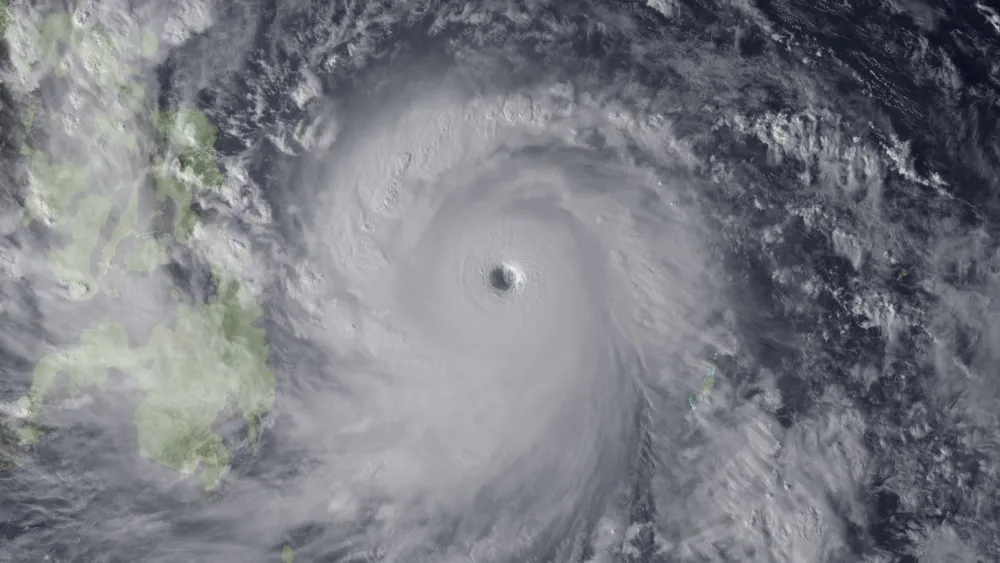
Typhoon Haiyan Was Not the Size of the US
Get the world’s most fascinating discoveries delivered straight to your inbox.
You are now subscribed
Your newsletter sign-up was successful
Want to add more newsletters?
Delivered Daily
Daily Newsletter
Sign up for the latest discoveries, groundbreaking research and fascinating breakthroughs that impact you and the wider world direct to your inbox.
Once a week
Life's Little Mysteries
Feed your curiosity with an exclusive mystery every week, solved with science and delivered direct to your inbox before it's seen anywhere else.
Once a week
How It Works
Sign up to our free science & technology newsletter for your weekly fix of fascinating articles, quick quizzes, amazing images, and more
Delivered daily
Space.com Newsletter
Breaking space news, the latest updates on rocket launches, skywatching events and more!
Once a month
Watch This Space
Sign up to our monthly entertainment newsletter to keep up with all our coverage of the latest sci-fi and space movies, tv shows, games and books.
Once a week
Night Sky This Week
Discover this week's must-see night sky events, moon phases, and stunning astrophotos. Sign up for our skywatching newsletter and explore the universe with us!
Join the club
Get full access to premium articles, exclusive features and a growing list of member rewards.
No, Super Typhoon Haiyan was not the size of the continental United States. You could be forgiven for thinking so, however, based on an image suggesting as much released by the American Red Cross yesterday (Nov. 11) that went viral. The storm was much smaller — it would have only covered much of the U.S. Southeast, the New Republic reports.
The Red Cross was alerted to the error and posted an apology yesterday: "Earlier today, we posted a map of Typhoon Haiyan comparing the size of the storm to geography of the United States. In the process of making the rest of our maps for our operations in the Philippines, we made a mistake with this one and it was not to scale."
Haiyan packed sustained winds up to 190 mph (305 km/h) in the hours before it made landfall, according to some accounts. Local estimates put the death toll of Super Typhoon Haiyan at 10,000 in the Philippines. Its storm surge reached up to 20 feet (6 m) in parts of the central Philippines.
Email Douglas Main or follow him on Twitter or Google+. Follow us @livescience, Facebook or Google+. Article originally on LiveScience.
Get the world’s most fascinating discoveries delivered straight to your inbox.