













12 Worst Hormone-Disrupting Chemicals Revealed

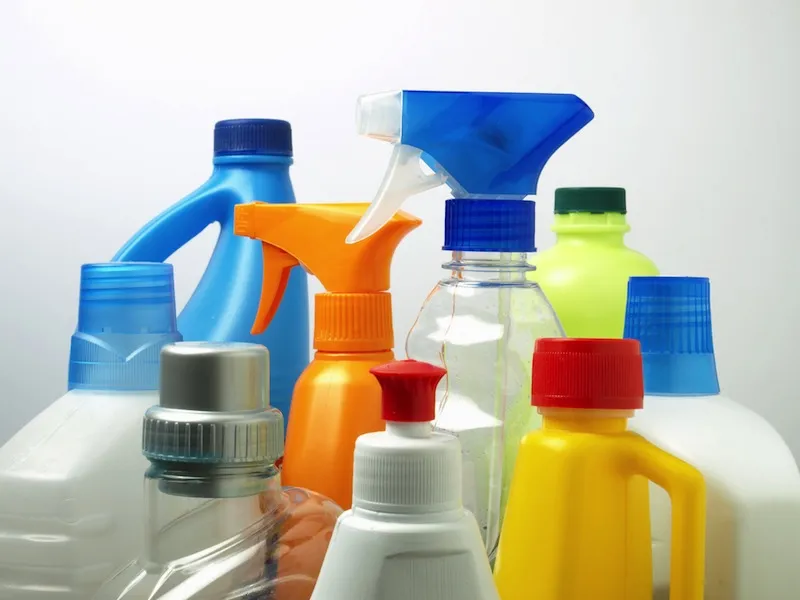
An environmental health advocacy organization has released a list of what it says are the 12 worst hormone-disrupting chemicals.
These chemicals, known as endocrine disruptors, interfere with the actions of hormones in the human body in some way — for instance, by imitating natural hormones, or increasing or decreasing hormone production, according to Environmental Working Group (EWG), the organization that put together the list.
The list includes some chemicals that have been scrutinized for their potential ability to interfere with hormones and affect reproduction, such as bisphenol A (BPA) and phthalates, although studies on these chemicals are not definitive. [5 Ways to Limit BPA in Your Life]
Other chemicals on the list — such as arsenic, mercury and lead — may surprise consumers, as people may not be aware that these chemicals disrupt hormones, according to EWG.
And still other chemicals might be less familiar to consumers, such as glycol ethers, which are solvents in paints and cleaning products that have been linked to lower sperm count, among other health problems, in painters, according to EWG.
The list also includes: dioxin, atrazine, phthalates, perchlorate, fire retardants, perfluorinated chemicals (PFCs) and organophosphate pesticides. [For the full list, see: 12 Hormone-Disrupting Chemicals & Their Health Effects]
Dr. Kenneth Spaeth, director of the Occupational and Environmental Medicine Center at North Shore University Hospital in Manhasset, N.Y., said the list was reasonable. "The larger value of a list like this is raising the discussion about endocrine-disrupting chemicals," Spaeth said.
Get the world’s most fascinating discoveries delivered straight to your inbox.
While it is generally accepted that there is no safe level of exposure to chemicals like lead, there is still a lot of work to be done in determining whether other chemicals, such as BPA and phthalates, pose a risk to human health at the concentrations present in the environment, Spaeth told LiveScience.
"Endocrine-disrupting chemicals are a work in progress in determining what levels are, indeed, hazardous," Spaeth said. Still, "there's enough evidence for many of these [chemicals] that it's reasonable to have some concern about them," he said.
Spaeth said he might not have included lead, organophosphate pesticides and perchlorate on the list, because use of these chemicals has declined considerably in recent years, significantly lowering people's level of exposure to these chemicals.
The full list, which is intended for readers of all ages, includes ways for consumers to avoid exposure to these chemicals. However, EWG says that ultimately, the best solution is better regulation to prevent such chemicals from coming to the market.
Follow Rachael Rettner @RachaelRettner. Follow LiveScience @livescience, Facebook & Google+. Original article on LiveScience.

Rachael is a Live Science contributor, and was a former channel editor and senior writer for Live Science between 2010 and 2022. She has a master's degree in journalism from New York University's Science, Health and Environmental Reporting Program. She also holds a B.S. in molecular biology and an M.S. in biology from the University of California, San Diego. Her work has appeared in Scienceline, The Washington Post and Scientific American.