







Computer Science, Good Advice and More From Cyntrica Eaton
Get the world’s most fascinating discoveries delivered straight to your inbox.
You are now subscribed
Your newsletter sign-up was successful
Want to add more newsletters?
Delivered Daily
Daily Newsletter
Sign up for the latest discoveries, groundbreaking research and fascinating breakthroughs that impact you and the wider world direct to your inbox.
Once a week
Life's Little Mysteries
Feed your curiosity with an exclusive mystery every week, solved with science and delivered direct to your inbox before it's seen anywhere else.
Once a week
How It Works
Sign up to our free science & technology newsletter for your weekly fix of fascinating articles, quick quizzes, amazing images, and more
Delivered daily
Space.com Newsletter
Breaking space news, the latest updates on rocket launches, skywatching events and more!
Once a month
Watch This Space
Sign up to our monthly entertainment newsletter to keep up with all our coverage of the latest sci-fi and space movies, tv shows, games and books.
Once a week
Night Sky This Week
Discover this week's must-see night sky events, moon phases, and stunning astrophotos. Sign up for our skywatching newsletter and explore the universe with us!
Join the club
Get full access to premium articles, exclusive features and a growing list of member rewards.
This ScienceLives article was provided to LiveScience in partnership with the National Science Foundation.
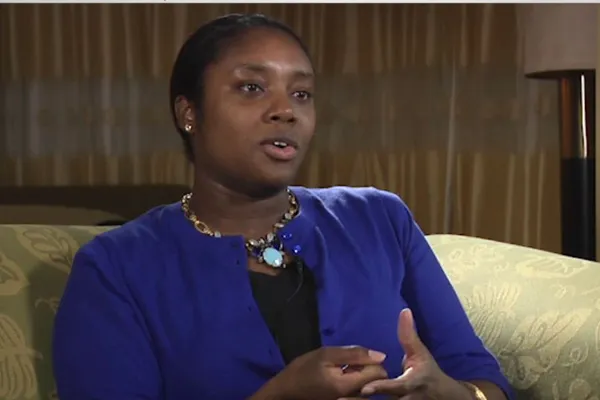
Cyntrica Eaton is an assistant professor in the Department of Computer Science at Norfolk State University in Virginia. She received her Ph.D. from the University of Maryland, College Park. She is the author of several publications, including A Framework for Detecting and Diagnosing Configuration Faults in Web Applications and Advances in Web Testing. Below, she answers our 10 questions about her life and work as a scientist.
Name: Cyntrica Eaton Institution: Norfolk University Field of Study: Computer Science
Questions:
Editor's Note: The researchers depicted in ScienceLives articles have been supported by the National Science Foundation, the federal agency charged with funding basic research and education across all fields of science and engineering. Any opinions, findings, and conclusions or recommendations expressed in this material are those of the author and do not necessarily reflect the views of the National Science Foundation. See the ScienceLives archive.
Get the world’s most fascinating discoveries delivered straight to your inbox.
