













Acupuncture Works ... As Placebo

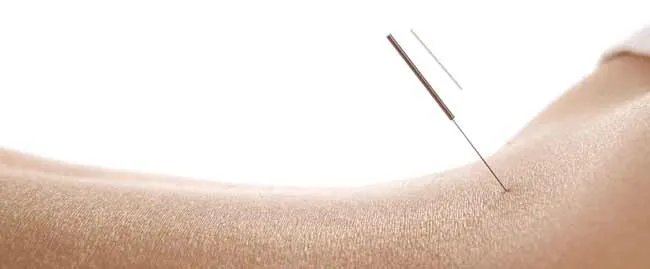
Headache sufferers can find relief in acupuncture, even if the needles are stuck in the wrong places, scientists now say.
Two separate systematic reviews of data show that acupuncture is an effective treatment for prevention of headaches and migraines. But the results also suggest that faked procedures, in which needles are incorrectly inserted, can be just as effective.
"Much of the clinical benefit of acupuncture might be due to non-specific needling effects and powerful placebo effects, meaning selection of specific needle points may be less important than many practitioners have traditionally argued," said lead researcher of both studies, Klaus Linde, who works at the Center for Complementary Medicine Research at the Technical University of Munich, Germany.
Other research has found taking placebos — fake pills thought by the patient to be real — might invoke a useful "power of positive thinking," but also that regularly and properly taking pills thought to be medicine might indicate a person's overall tactical approach to getting well.
In each of the new studies, the researchers tried to establish whether acupuncture could reduce the occurrence of headaches. One study focused on mild to moderate but frequent 'tension-type' headaches, whilst the other focused on more severe but less frequent headaches usually termed migraines. Together the two reviews included 33 trials, involving a total of 6,736 patients.
The findings, detailed in the Cochrane Database of Systematic Reviews:
- Following a course of at least eight weeks, patients treated with acupuncture suffered fewer headaches overall compared to those who were given only painkillers.
- In the migraine study, acupuncture was superior to proven prophylactic drug treatments, but faked treatments were no less effective.
- In the tension headache study, true acupuncture was actually slightly more effective than faked treatments.
The results indicate that acupuncture could be a used as an alternative for those patients who prefer not to use drug treatments, and additionally may result in fewer side effects, according to a statement released today.
Get the world’s most fascinating discoveries delivered straight to your inbox.
However, Linde says more research is still required.
"Doctors need to know how long improvements associated with acupuncture will last and whether better trained acupuncturists really achieve better results than those with basic training only," he said.
