






Get the world’s most fascinating discoveries delivered straight to your inbox.
You are now subscribed
Your newsletter sign-up was successful
Want to add more newsletters?
Delivered Daily
Daily Newsletter
Sign up for the latest discoveries, groundbreaking research and fascinating breakthroughs that impact you and the wider world direct to your inbox.
Once a week
Life's Little Mysteries
Feed your curiosity with an exclusive mystery every week, solved with science and delivered direct to your inbox before it's seen anywhere else.
Once a week
How It Works
Sign up to our free science & technology newsletter for your weekly fix of fascinating articles, quick quizzes, amazing images, and more
Delivered daily
Space.com Newsletter
Breaking space news, the latest updates on rocket launches, skywatching events and more!
Once a month
Watch This Space
Sign up to our monthly entertainment newsletter to keep up with all our coverage of the latest sci-fi and space movies, tv shows, games and books.
Once a week
Night Sky This Week
Discover this week's must-see night sky events, moon phases, and stunning astrophotos. Sign up for our skywatching newsletter and explore the universe with us!
Join the club
Get full access to premium articles, exclusive features and a growing list of member rewards.
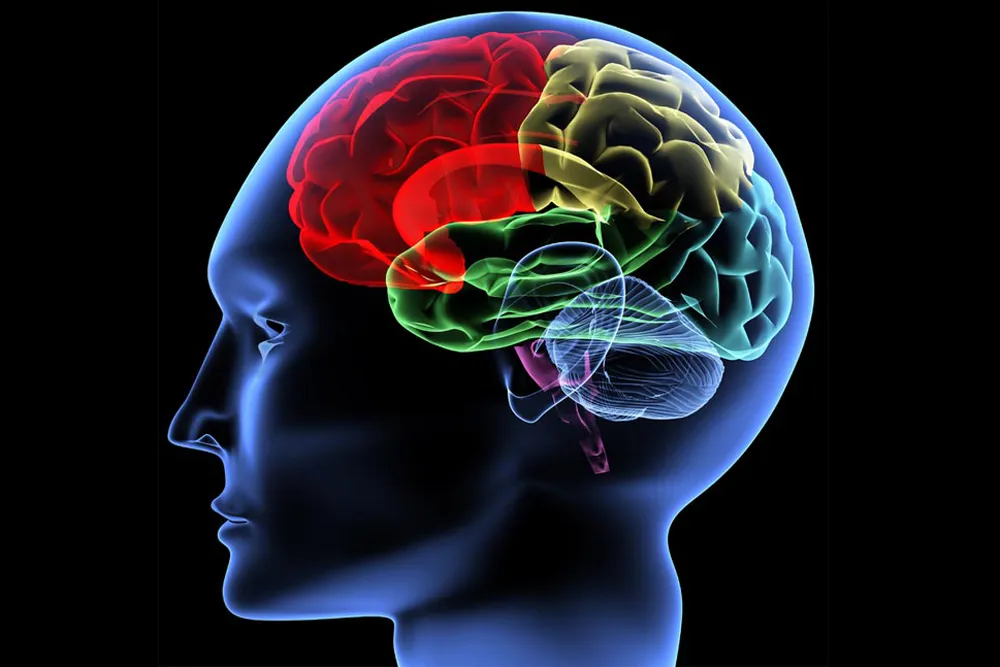
An "enchanted loom" is how Charles Sherrington described the interconnected net of cells that makes up our three-pound control center. Indeed, there is something almost magical in the notion that all our mental processes, from perception to memory to consciousness itself, can be described entirely by cellular activity in the brain.
The basic functional unit of the brain is the neuron, a special cell that sends electrochemical signals to other neurons (across a "synaptic gap") and thereby creates those patterns that make up what we think of as the mind.
The complexity of the task requires a fairly inconceivable 100 billion neurons, interconnected via trillions of synapses. A single firing neuron might communicate to thousands of others in a single moment. No computer comes close to the complexity of these communicating bits of organic matter.
What's more, for each neuron there are some 10 to 50 glial cells providing structural support, protection, resources and more.
Follow Life's Little Mysteries on Twitter @llmysteries. We're also on Facebook & Google+.
Get the world’s most fascinating discoveries delivered straight to your inbox.
