













What is Flaxseed Oil?
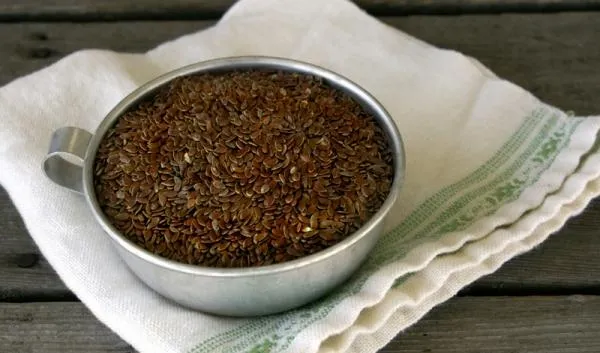
Flaxseed oil is derived from the ripe seeds of the flax plant (Linum usitatissimum). The clear, yellowish liquid contains certain essential fatty acids linked with reduced heart-disease risk and other health benefits.
Just last week, flaxseed oil was also linked with steroids. The Washington Post reported that Olympic gold-medalist Marion Jones had acknowledged, in a letter to close family and friends, using steroids as she prepared for the 2000 Olympics in Sydney. In the letter, according to the Washington Post article, Jones wrote that she thought the steroid substance was flaxseed oil.
While the verity of these claims has not been established, the healthful benefits of flaxseed oil are substantial. Flaxseed oil (also known as linseed oil) is chockfull of the essential fatty acid alpha-linolenic acid, or ALA, which is an omega-3 fatty acid.
Omega-3 and omega-6 fats are considered essential fatty acids necessary for body processes, yet not manufactured by your body. For instance, essential fatty acids are necessary for the formation of healthy cell membranes, production of hormones that regulate blood pressure and inflammation, as well as the functioning of the nervous system.
Omega-3 fatty acids in particular have been shown to help lower cholesterol, improve heart health and reduce inflammation associated with joint pain, stiffness and swelling.
But since you can't make them, you have to eat substances that contain these omegas. Flaxseed oil and some fishes like trout and tuna are loaded with omega-3's.
Follow Life's Little Mysteries on Twitter @llmysteries. We're also on Facebook & Google+.
Get the world’s most fascinating discoveries delivered straight to your inbox.
Jeanna Bryner is managing editor of Scientific American. Previously she was editor in chief of Live Science and, prior to that, an editor at Scholastic's Science World magazine. Bryner has an English degree from Salisbury University, a master's degree in biogeochemistry and environmental sciences from the University of Maryland and a graduate science journalism degree from New York University. She has worked as a biologist in Florida, where she monitored wetlands and did field surveys for endangered species, including the gorgeous Florida Scrub Jay. She also received an ocean sciences journalism fellowship from the Woods Hole Oceanographic Institution. She is a firm believer that science is for everyone and that just about everything can be viewed through the lens of science.