














Census of Endangered Vultures Kicks Off

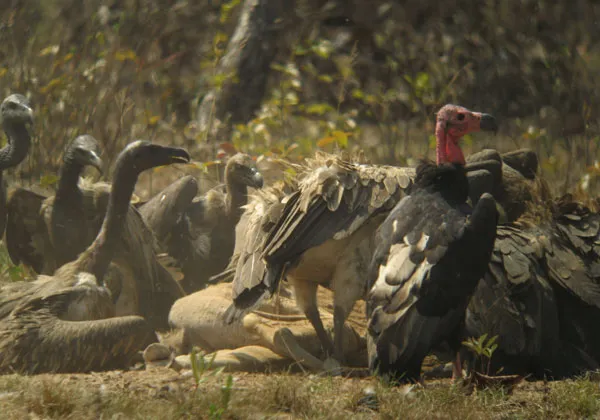
The fifth annual vulture census is kicking off this week in Cambodia, one of the few Asian countries where numbers of the infamous scavenging birds are on the rise. Vultures have all but disappeared from nearby regions in recent years.
"The census has become a beacon of hope for conservationists working to rescue vultures from the brink," said the Wildlife Conservation Society's Hugo Rainey, a technical adviser to the Cambodia Vulture Conservation Project. The project is a joint effort of the WCS, other international conservation groups and local government agencies.
Vulture populations in India and surrounding areas of South Asia have been nearly wiped out by the veterinary drug diclofenac. Widely used as an anti-inflammatory drug for cattle in the region, diclofenac is toxic to the vultures that feed on cattle carcasses. Death through renal failure and visceral gout has led to population declines of 99 percent in some vulture species.
In contrast to these declines, researchers in Cambodia last year reported record numbers of vultures in the 2010 annual vulture census, with 296 birds of three species found at multiple sites across the Northern and Eastern Plains.
The finding establishes Cambodia as the only country with an increasing population of vultures in Asia . Specifically, the census indicates that the country's population of white-rumped vultures is increasing, while the populations of red-headed and slender billed vultures are stable. All three of Cambodia's vulture species are listed as "critically endangered" by the International Union for the Conservation of Nature.
Conservationists have promoted a wide range of local activities to safeguard the birds. Local community members are paid a small fee to protect vulture nests. Vulture food sources are supplemented by "vulture restaurants," feeding stations that also give visitors the opportunity to see these huge birds up close.
The data from this year's vulture count should be available by the end of June.
Get the world’s most fascinating discoveries delivered straight to your inbox.
