How a Fly Escapes Your Swat
Get the world’s most fascinating discoveries delivered straight to your inbox.
You are now subscribed
Your newsletter sign-up was successful
Want to add more newsletters?
Delivered Daily
Daily Newsletter
Sign up for the latest discoveries, groundbreaking research and fascinating breakthroughs that impact you and the wider world direct to your inbox.
Once a week
Life's Little Mysteries
Feed your curiosity with an exclusive mystery every week, solved with science and delivered direct to your inbox before it's seen anywhere else.
Once a week
How It Works
Sign up to our free science & technology newsletter for your weekly fix of fascinating articles, quick quizzes, amazing images, and more
Delivered daily
Space.com Newsletter
Breaking space news, the latest updates on rocket launches, skywatching events and more!
Once a month
Watch This Space
Sign up to our monthly entertainment newsletter to keep up with all our coverage of the latest sci-fi and space movies, tv shows, games and books.
Once a week
Night Sky This Week
Discover this week's must-see night sky events, moon phases, and stunning astrophotos. Sign up for our skywatching newsletter and explore the universe with us!
Join the club
Get full access to premium articles, exclusive features and a growing list of member rewards.
Trying to swat a fly can be among the most frustrating household activities. Now scientists know why it is so hard.
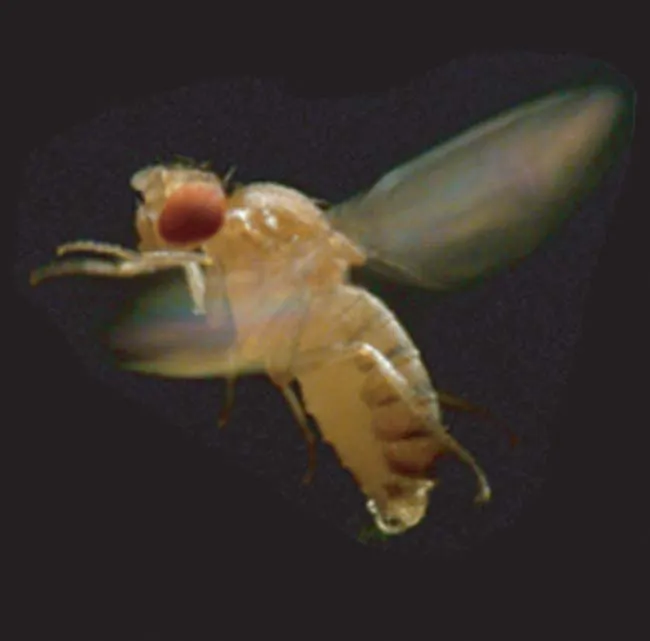
The fly's escape secret: It jumps rather than just trying to fly.
In a new study, researchers were interested in how a fly's brain executes the life-saving move. Gwyneth Card of the California Institute of Technology dropped black disks from different angles, each on course to squash a fly. She videotaped the scenes.
The video revealed that flies jump directly away from the incoming objects, using both their legs and wings. The results suggest the brain initiates a take-off sequence that involves a "giant fiber pathway" of nerve impulses to the wings and legs.
"This kind of low-power decision-making could be of interest to those building autonomously navigating robots," Card said.
The results will be presented Wednesday at the Society for Experimental Biology Annual Main Meeting in Barcelona, Spain.
Get the world’s most fascinating discoveries delivered straight to your inbox.