













Soda & Obesity: Just a Matter of Calories?

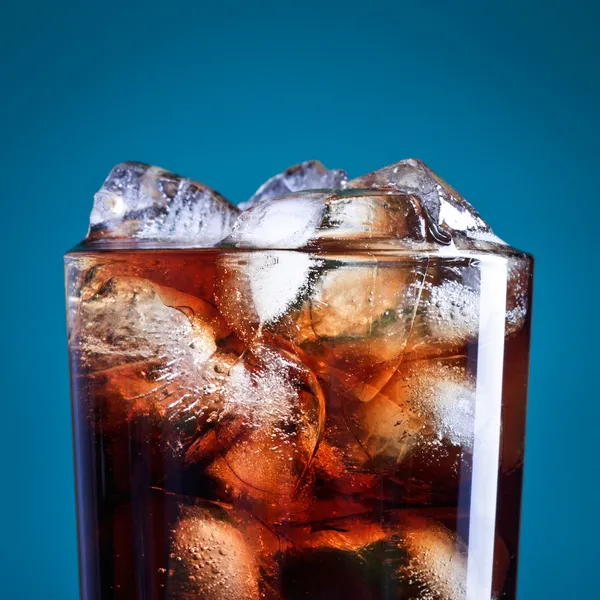
Coca-cola will soon be running new ads discussing how drinking soda may contribute to obesity, but experts say the soda giant's campaign message may be overly simplistic.
The first ad, called "Coming Together," says consuming too many calories of any kind, from soda or other sources, leads to weight gain. "All calories count. No matter where they come from. Including Coca-Cola and everything else with calories," the ad states.
While it's true that a "calorie is a calorie," calories that come from soda and other sweetened beverages may be especially easy to overconsume compared to calories from solid food, said Simone French, associate director of the University of Minnesota Obesity Prevention Center.
Research suggests our brain doesn't register liquid calories as well as it does calories from food, making it easier to consume too many.
"Our bodies aren't really that sensitive of a detector of calories in liquid form," French said. [See 4 Foods that Are Worse for You than Twinkies.]
In addition, while Coke has made products available in smaller sizes, the company still sells products in 20-ounce or higher containers that are often downed as a single serving, French said. The available of these large sizes "pushes people to consume more than they need," she said.
The steps Coke is taking now are a good start, but the company could do more, French said. If it could phase out large sizes, "that would be really helpful," she said.
Get the world’s most fascinating discoveries delivered straight to your inbox.
But can soda be part of a healthful diet? For most Americans, the number of "discretionary calories," or calories left over after a person has met his or her daily requirement of fruits, vegetables, grains, protein and dairy, is very small, French said. The American Heart Association says discretionary calories should be limited to 100 calories a day for most women, and 150 calories a day for most men. (A 12-ounce can of Coke contains 140 calories.)
French said that when people drink soda, and other sources of "empty" calories, they're missing an opportunity to eat more nutritious foods.
"Those 100 calories of sugar-water are displacing something more healthful that you could be consuming to have a healthy diet," French said. And if the calories are added on top of what you ordinarily eat, instead of replacing nutritious foods, this can lead to weight gain, French said.
Pass it on: Research suggests calories from soda may be especially easy to overdo.
Follow Rachael Rettner on Twitter @RachaelRettner, or MyHealthNewsDaily @MyHealth_MHND. We're also on Facebook & Google+.

Rachael is a Live Science contributor, and was a former channel editor and senior writer for Live Science between 2010 and 2022. She has a master's degree in journalism from New York University's Science, Health and Environmental Reporting Program. She also holds a B.S. in molecular biology and an M.S. in biology from the University of California, San Diego. Her work has appeared in Scienceline, The Washington Post and Scientific American.