













Energy-Efficient Light Bulbs Might Cause Skin Damage, Study Suggests

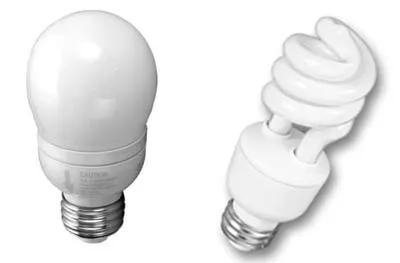
Energy-efficient compact fluorescent light bulbs, or CFLs, are a popular choice for homeowners and businesses looking for ways to reduce their electricity bills.
But researchers at Stony Brook University in New York have discovered CFLs have a darker side, too: The lamps emit surprisingly high levels of ultraviolet (UV) radiation, which can damage skin cells and, at high exposure levels, cause cancer, according to CBS Miami.
To test the safety of the light bulbs, researchers exposed healthy human skin cells to light from the CFLs, and compared that to the effect that older-style incandescent light bulbs had on the same skin cells.
Their analysis showed that skin cells exposed to the CFLs experienced significant damage. "The results were that you could actually initiate cell death," Marcia Simon, professor of dermatology at Stony Brook University, told CBS Miami. (Skin cells exposed to the incandescent bulbs suffered no significant damage.)
Researchers also believe they know the cause of the UV damage: tiny cracks in the coating inside the CFL bulbs allowed UV radiation to leak out, CBS Miami reports.
CFL manufacturers refute the Stony Brook researchers' finding, issuing a statement claiming that "the levels of UV radiation emitted are acceptably low," and the light bulbs are safe for normal use, according to CBS Miami.
CFL light bulbs also contain small amounts of mercury, a toxic element that's been linked to nerve damage, birth defects and other health risks. So despite their energy-efficiency, CFL lamps' green credentials are in question, making long-lasting, energy-saving LED lights a brighter option for many consumers.
Get the world’s most fascinating discoveries delivered straight to your inbox.
Follow LiveScience on Twitter @livescience. We're also on Facebook & Google+.
