













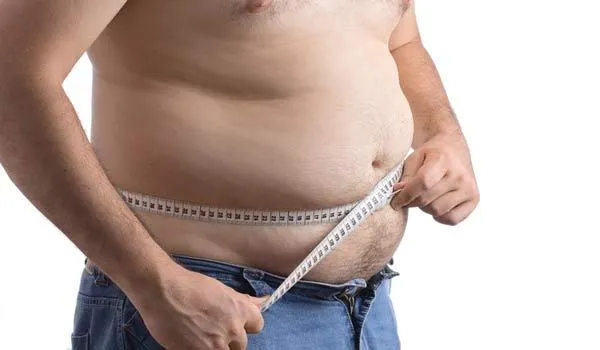
Supplements containing live bacteria, called probiotics, may burn abdominal fat, according to a new small study.
The findings, published Oct. 9 in the Journal of Functional Foods, suggest that a new probiotic supplement that prevents intestinal fat absorption could be an effective weight-loss tool. The study was funded by Micropharma, the company that makes the probiotic supplements.
"Normally we digest all the food and absorb all the calories," said study researcher Peter Jones of the University of Manitoba in Canada. "We think the probiotics interfered with the absorption of those calories, so that more calories went out the tailpipe and there were less calories to pack on the abdominal fat."
However, the study looked at a small number of people who were only slightly overweight to begin with. The slimming effect was also fairly modest, so even if the results hold, probiotics wouldn't eliminate the need to maintain a proper diet and exercise. [The 7 Biggest Diet Myths]
"People aren't going to be able to just eat probiotics to reduce weight," said Jeremy Burton, a microbiologist at the Canadian Research & Development Centre for Probiotics, who was not involved in the study.
Good gut bacteria
Probiotics, or active bacterial cultures, can modify the ecology of the bacteria that colonize the human gut. Beneficial bacteria may improve depression, soothe stomach problems and even fight sinus infections.
Get the world’s most fascinating discoveries delivered straight to your inbox.
Because other studies have shown that gut bacteria alter how the body absorbs calories from food, Jones and his colleagues wanted to see if the "bugs" could affect weight loss.
Jones' team fed 28 overweight volunteers a daily serving of yogurt. Half the participants' yogurt was spiked with either the bacteria Lactobacillus fermentum or Lactobacillus amylovorus. To isolate the effect of the bacteria, the researchers provided all of the food participants ate during the course of the study.
After a month and a half, those who ate the L. fermentum probiotic supplements had lost 3 percent of their body fat and those eating L. amylovorus had 4 percent less fat than at the study's start. Most of that loss was belly fat, which may be tied to heart disease. (The researchers don't know why subjects predominantly lost abdominal fat.)
How probiotics work
The team believes the bacteria reduced body fat by preventing the intestines from absorbing fat calories. The liver secretes soapy chemicals called bile salts, which mix with fat and help digest it, Jones told LiveScience.
"So by destroying those bile salts, which is what those hungry little bacteria do, they interfere with the absorption of fat," he said.
And unlike other weight-loss drugs that prevent fat absorption in the intestines, the probiotics didn't cause unpleasant digestive side effects, Jones said.
The researchers didn't follow the subjects for long, so they can't say whether people kept the pounds off.
"It's a good preliminary study," Burton told LiveScience. "It's certainly consistent with some other studies showing that the microbiota can interact with the gut."
Follow LiveScience on Twitter @livescience. We're also on Facebook & Google+.

Tia is the editor-in-chief (premium) and was formerly managing editor and senior writer for Live Science. Her work has appeared in Scientific American, Wired.com, Science News and other outlets. She holds a master's degree in bioengineering from the University of Washington, a graduate certificate in science writing from UC Santa Cruz and a bachelor's degree in mechanical engineering from the University of Texas at Austin. Tia was part of a team at the Milwaukee Journal Sentinel that published the Empty Cradles series on preterm births, which won multiple awards, including the 2012 Casey Medal for Meritorious Journalism.