
















Baby Beaver Is Boost to Reintroduced Wild Population

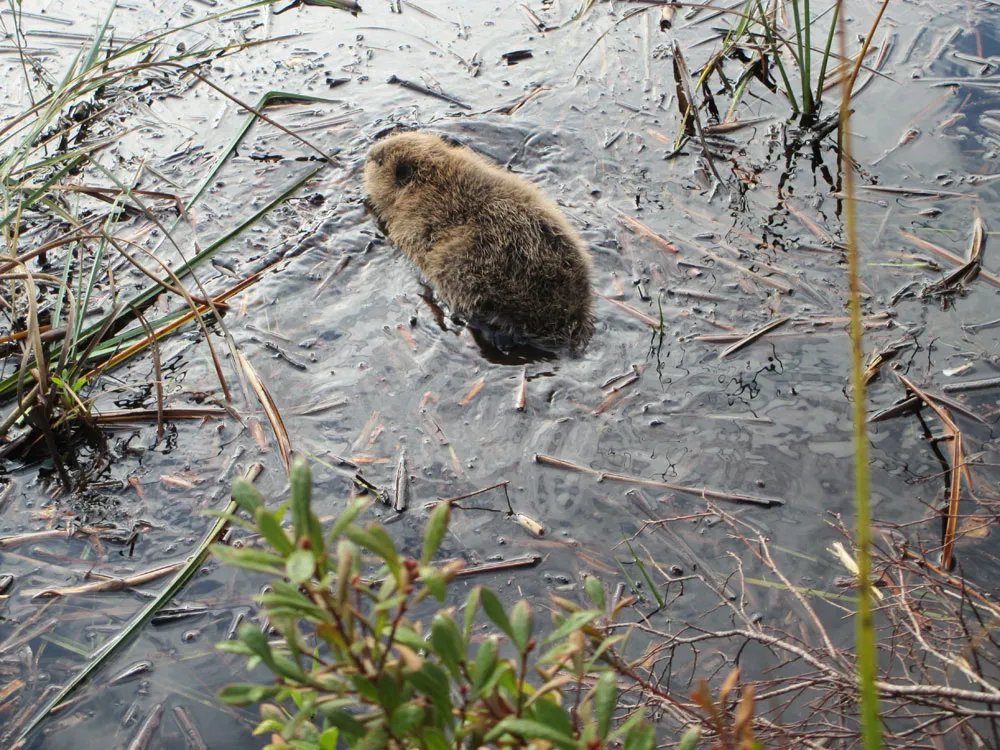
A bouncing baby beaver has joined the ranks of the European beavers re-introduced to the wild in Scotland just a few years ago — a positive sign for the species.
The conservation project, called the Scottish Beaver Trial, began in 2009, with the release of beavers back into the wild in the country, where they had been locally extinct for more than 400 years, according to the program's website.
A total of four beaver families were released into Knapdale Forest in Argyll where they have since built lodges and had young.
The newest arrival is a female kit (the term for baby beavers) that was spotted by camera near Lochan Buic at the end of September trailing first-time parents Trude and Eoghann as they left their lodge, the program said in a statement.
"We all were excited when we were looking through the footage and spotted a new face emerging from the water, along with mum and dad," said Roisin Campbell-Palmer, field operations manager for the program.
The kit has since had her first health check and appears to be doing well.
"She is doing really well, showing good growth and seems to be quite adventurous when it comes to leaving mum and dad and exploring on her own," Campbell-Palmer said in the statement.
Get the world’s most fascinating discoveries delivered straight to your inbox.
The youngster appears to have been born after a trio of kits spotted in August that was born to another pair of beavers.
The trial is run in partnership by the Royal Zoological Society of Scotland, the Scottish Wildlife Trust and the Forestry Commission Scotland. The trial will last for five years and will look at how beavers might help enhance and restore natural environments by creating ponds and wetlands.
This story was provided by OurAmazingPlanet, a sister site to LiveScience.
