













Tomato Compound May Cut Men's Stroke Risk
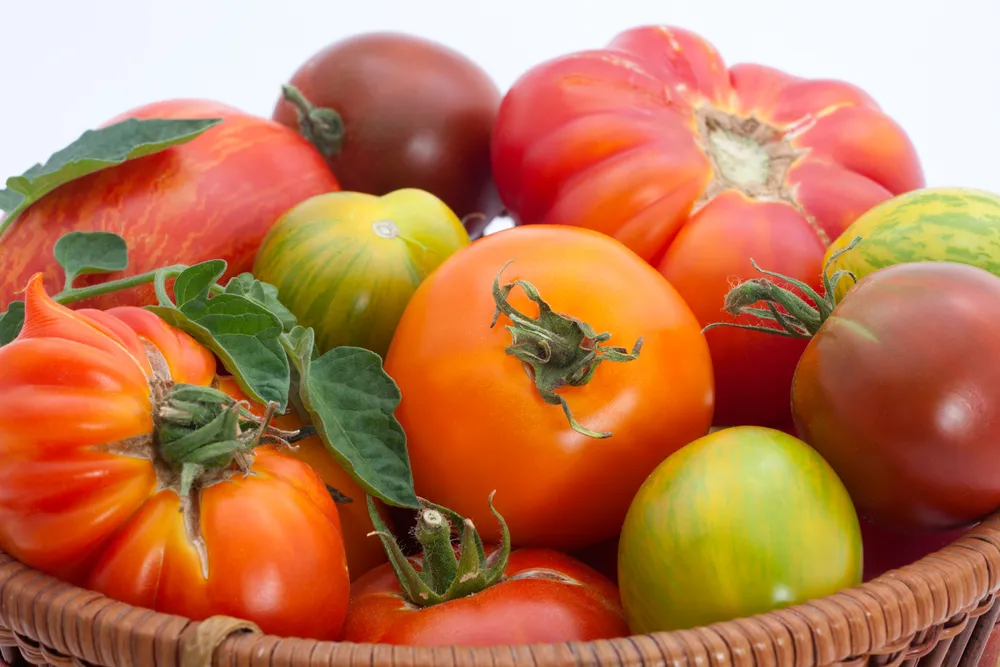
Eating tomatoes and other foods rich in the antioxidant lycopene may reduce men's risk of stroke, new research suggests.
Men in the study with the highest levels of lycopene in their blood were 55 percent less likely to have a stroke compared with those who had the lowest blood levels of the pigment, researchers found.
"The results support the recommendation that people get more than five servings of fruits and vegetables a day, which would likely lead to a major reduction in the number of strokes worldwide," said study researcher Jouni Karppi, of the University of Eastern Finland.
Previous research showed that lycopene may decrease the ability of LDL ("bad") cholesterol to form the plaques in arteries that can cause heart attacks and strokes, the researchers said.
Lycopene also has other properties that may link it to decreased stroke risk, Karppi said, such as inhibiting cholesterol production and preventing blood clots and the clumping together of blood platelets.
The study is published in the Oct. 9 issue of the journal Neurology.
Tomatoes and strokes
Get the world’s most fascinating discoveries delivered straight to your inbox.
Karppi and colleagues gathered data on 1,031 men in Finland taking part in the Kuopio Ischaemic Heart Disease Risk Factor Study. The men were between ages 46 and 65 at the study's start, and over a 12-year period, 67 of the men suffered a stroke.
The researchers measured lycopene levels in the men's blood, and divided them into four nearly equivalent groups based on their levels. Of men with the lowest levels, 25 out of 258 had a stroke, whereas 11 out of 259 with the highest levels had a stroke.
The link between higher lycopene levels and lower stroke risk held when the researchers accounted for risk factors for stroke such as age, smoking and diabetes.
But experts cautioned against overinterpreting the results. The data show an association, not a cause-and-effect link.
"This study simply says that people who have higher levels of lycopene have fewer strokes after 12 years," said Dr. David Thomas, professor of medicine at Saint Louis University, who was not involved in the study. The findings don't prove that eating tomatoes reduces the risk of stroke, Thomas said.
Findings such as this one "are good for generating hypotheses, that can be tested in prospective trials," Thomas added. Trials looking at lycopene so far have had mixed results, he said.
What to eat
While tomatoes are a common source of lycopene, the study did not look at which foods in the men's diets were the sources of the antioxidant, Karppi noted.
In the future, Karppi said he will continue to research the role lycopene and other carotenoids, which give vegetables their colors, may play in decreasing the risk of chronic vascular diseases.
Thomas said that a high intake of fruits and vegetables may be needed to see health benefits. He pointed to an analysis of nine studies that linked fruit and vegetable intake with better health, but the results were only positive when five or more servings per day were consumed.
"That's a lot of tomatoes," he said.
Pass it on: Eating lycopene-rich tomatoes may reduce men's risk of stroke.
This story was provided by MyHealthNewsDaily, a sister site to LiveScience. Follow MyHealthNewsDaily on Twitter @MyHealth_MHND. We're also on Facebook & Google+.