













Lack of Sleep May Make Vaccines Less Effective

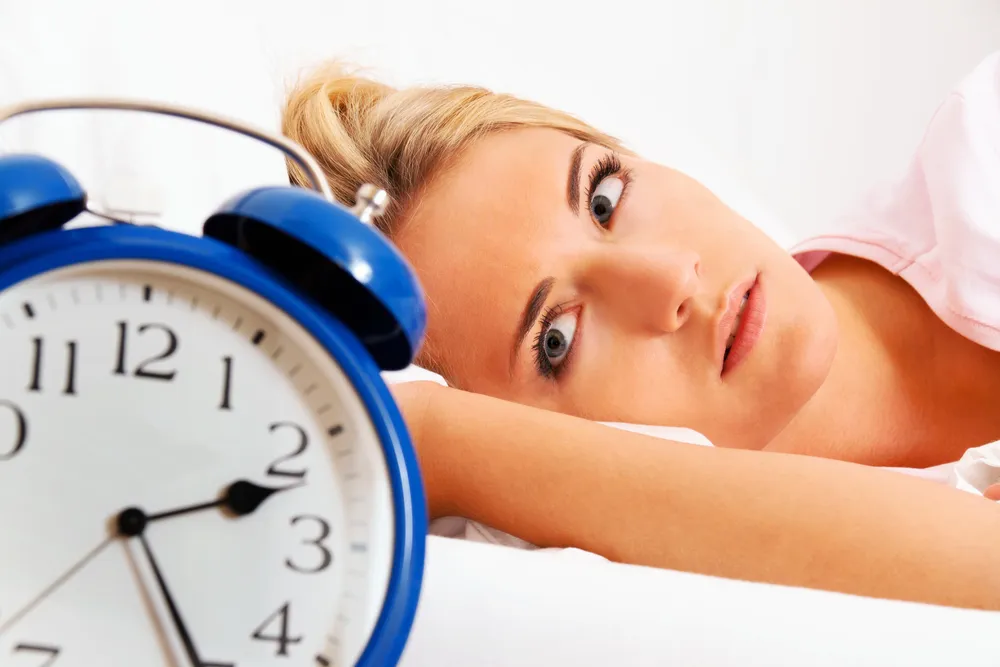
Some vaccines may not work as well in people who don't get a good night's sleep, a new study suggests.
In the study, adults who slept fewer than six hours a night were less likely to be adequately protected against hepatitis B after getting a hepatitis B shot than people who slept more than seven hours a night.
Lack of sleep may have detrimental effects on the immune system processes that are important for vaccine response, the researchers said.
"While there is more work to be done in this area, in time, physicians and other health care professionals who administer vaccines may want to consider asking their patients about their sleep patterns, since lack of sleep may significantly affect the potency of the vaccination," said Aric Prather, a psychologist at the University of California, San Francisco.
Research has shown that poor sleep can make people susceptible to illnesses such as upper respiratory infections. But it is unclear whether sleep affects the specific immune responses known to protect against infection.
The new study involved 125 people who were between ages 40 and 60, and in good health. Each participant was given the standard, three-dose hepatitis B vaccine: the first and second doses were administered a month apart, followed by a booster shot at six months.
Participants' antibody levels were measured six months after the final vaccination. (Antibodies are proteins that the immune system produces to fight foreign invaders, such as viruses.)
Get the world’s most fascinating discoveries delivered straight to your inbox.
All the participants completed sleep diaries detailing their bedtime and wake time, and 88 participants wore electronic sleep monitors known as actigraphs.
Eighteen participants had antibody levels that were so low that it meant they did not receive adequate protection from the vaccine.
People who slept fewer than six hours nightly on average were 11.5 times more likely to be unprotected by the vaccine than people who slept more than seven hours on average, the researcher said.
"These findings should help raise awareness in the public health community about the clear connection between sleep and health," Prather said.
The study was funded by the National Institute of Nursing Research and the National Institutes of Health. It will be published in the August issue of the journal SLEEP. Prather conducted the work while at the University of Pittsburgh.
Pass it on: People who get a poor night's sleep may not respond as well to the hepatitis vaccine as those who get a good night's sleep.
This story was provided by MyHealthNewsDaily, a sister site to LiveScience. Follow MyHealthNewsDaily on Twitter @MyHealth_MHND. We're also on Facebook & Google+.
