













Would the NYC Soda Ban Work? Scientists Crunch the Numbers

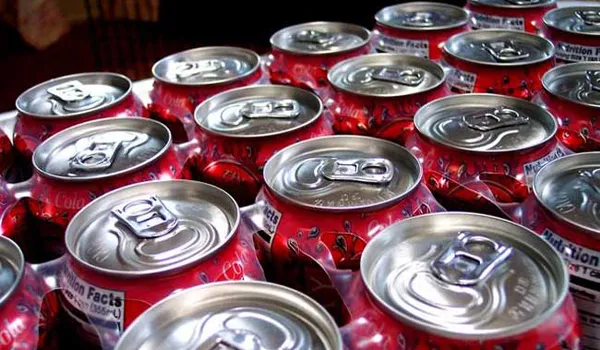
The proposed "soda ban" that would limit the sale of large, sugar-sweetened beverages in New York City could reduce calorie consumption, but only if at least 40 percent of people make changes in their drink consumption, a new study suggests.
If the large-drink ban is implemented, people would not be able to buy sugar-sweetened drinks larger than 16 ounces at fast-food restaurants, as well as at some other establishments, such as convenience stores and movie theaters.Some have pointed out that people who want a 32-ounce soda could simply purchase two 16-ounce drinks.
Researchers analyzed information from receipts of about 1,600 consumers who ate at fast-food restaurants in New York City, Newark, N.J., Philadelphia and Baltimore.
The researchers, from New York University School of Medicine, first determined how many calories were in the drinks that consumers purchased. They found that 62 percent of all beverages purchased in the study would be banned by the proposed policy, and that study participants consumed, on average, about 200 calories from sugar-sweetened beverages.
Next, the researchers looked at how much the average amount of calories consumed would change if some people switched from drinking a 32-ounce beverage to a 16-ounce drink.
They found that if all consumers who had been buying larger sizes switched to a single 16-ounce drink (and none bought two 16-ounce beverages), the average calorie intake would drop by 63 calories per meal.
If 40 percent of consumers switched to a single 16-ounce beverage, overall calorie consumption would still decrease by close to 10 calories. If 30 percent switched, no decrease would occur, the researchers said.
Get the world’s most fascinating discoveries delivered straight to your inbox.
"In most but not all of our simulations, the policy appears to be associated with a decrease in calories from sugar-sweetened beverages purchased at fast-food restaurants," the researchers wrote in the July 23 issue of the New England Journal of Medicine.
Pass it on: NYC's proposed ban on large drinks could reduce calorie consumption if 40 percent of people comply, and do not feel the need to purchase several smaller-sized drinks at once.
Follow MyHealthNewsDaily on Twitter @MyHealth_MHND. We're also on Facebook & Google+.
