













1st US Case of Mother-to-Child Chagas Disease Reported

A boy born in Virginia two years ago became the known first person in the United States to have acquired Chagas disease from his mother, according to a new report that describes the case.
The case highlights the need for increased awareness of the disease among health care providers in the United States, the researchers said. The disease occurs mainly in Latin America, but cases in the U.S. and elsewhere have been increasing, mostly due to migration, according to the World Health Organization.
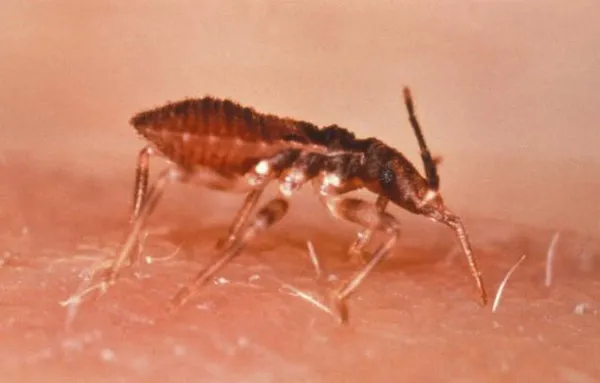
Chagas disease is caused by the parasite Trypanosoma cruzi, which is typically transmitted to people by bites from insects commonly called kissing bugs. Although less common, the disease can also be transmitted congenitally, meaning from mother to child during pregnancy, as was the case with the Virginia boy.
While the boy's case was the first to be formally documented, it has been estimated that between 65 and 638 cases of congenital Chagas disease occur in the United States each year, the Centers for Disease Control and Prevention (CDC) report said. That estimate is based on the typical birth rates of women from regions where Chagas disease is endemic, and the fact that in about 1 to 5 percent of pregnancies of infected mothers, the disease is transmitted to the child.
In August 2010, the mother, who had recently immigrated to the United States from Bolivia, gave birth by cesarean section when her child was 29 weeks old. The boy had signs of jaundice as well as excess fluid around his heart, abdomen and lungs. The child's doctors, who did not know the boy had Chagas disease, administered antibiotics for what they believed to be a widespread bacterial infection called sepsis.
Two weeks after the birth, the mother revealed she had been told in Bolivia during a previous pregnancy that she had Chagas disease. After testing her baby boy, the doctors found he too had the parasite in his blood. The boy received a 60-day treatment of benznidazole, a drug for Chagas disease, and was cured.
The case "illustrates that congenital Chagas disease, even when severe, might not be recognized, or diagnosis might be delayed because of the lack of defining clinical features, or because the diagnosis is not considered," today's CDC report said.
Get the world’s most fascinating discoveries delivered straight to your inbox.
Chagas disease is estimated to affect about 300,000 people in the United States, most of whom immigrated here.
Doctors in the United States should be aware of the condition so that pregnant women from at-risk areas for Chagas disease can undergo screening and be identified, the report says. Mothers diagnosed with Chagas disease should be treated for the condition, but not until after they finish breast-feeding, the report said.
Pass it on: Doctors in the United States should be aware of the risk of mother-to-child transmission of Chagas disease.
This story was provided by MyHealthNewsDaily, a sister site to LiveScience. Follow MyHealthNewsDaily on Twitter @MyHealth_MHND. Find us on Facebook.
