













Caffeine Disrupts Sleep for Morning People But Not Night Owls

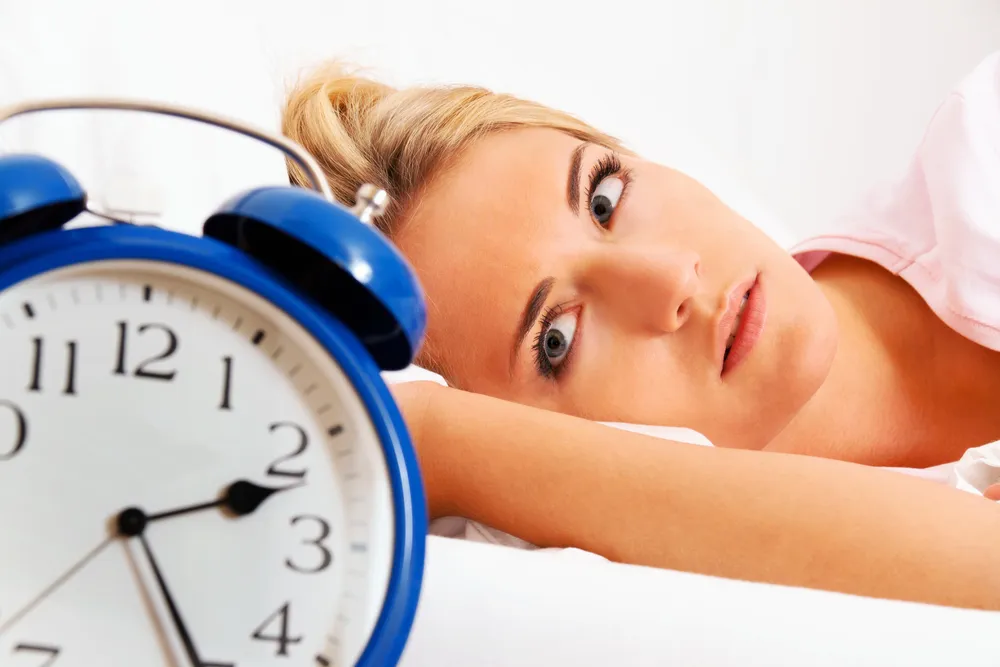
Caffeine will get you going during the day but could leave you tossing and turning at night – unless you're a "night owl" to begin with, a new study suggests.
In the study, "morning people" who consumed caffeine during the day appeared more likely than late risers to awaken in the middle of their nighttime sleep.
The researchers said this is the first study to link caffeine intake with "chronotype," the categorizing of people by the time of day they are most alert and active. The findings are preliminary and more research is needed to confirm them, the researchers added.
Fifty college students were asked to record their caffeine consumption and their sleeping and waking times for a week. The students wore wrist devices that monitored their movements, to assess whether they had periods of wakefulness after they had fallen asleep. The researchers also measured caffeine levels in the students' saliva over the week.
As college students, they tended to be so sleep-deprived that, for most, "it didn't matter how much caffeine they had" – they slept well whenever they finally hit the sack, said study researcher Jamie Zeitzer, an assistant professor of psychiatry and behavioral sciences at Stanford University.
However, for the early risers, the more caffeine in their bodies, the more time they spent awake during the night after initially falling asleep. This was not seen in the night owls.
The next step is to see whether this effect applies to people other than college students, Zeitzer said.
Get the world’s most fascinating discoveries delivered straight to your inbox.
The amount of caffeine in a person at bedtime can vary widely, Zeitzer said. Some people's bodies clear caffeine within a few hours, but lunchtime coffee may still be in the system of other people even late at night. Therefore it's hard to say whether any particular person could avoid the effects of caffeine on sleep by simply steering clear of coffee (or tea) in the afternoon or evening, Zeitzer said.
The study was published online Feb. 13 in the journal Sleep Medicine.
Pass it on: Caffeine disrupts sleep for morning people but not night owls, a new study suggests.
This story was provided by MyHealthNewsDaily, a sister site to LiveScience. Follow MyHealthNewsDaily staff writer Rachael Rettner on Twitter @RachaelRettner. Find us on Facebook.

Rachael is a Live Science contributor, and was a former channel editor and senior writer for Live Science between 2010 and 2022. She has a master's degree in journalism from New York University's Science, Health and Environmental Reporting Program. She also holds a B.S. in molecular biology and an M.S. in biology from the University of California, San Diego. Her work has appeared in Scienceline, The Washington Post and Scientific American.