













Stem Cells: Best Shaken, Not Stirred

Like a James Bond martini, embryonic stem cells might be better when shaken a little, new research suggests.
Scientists have known that embryos spend much of their time bobbing along with their mother's movements. So it is perhaps not surprising that researchers have now discovered that embryonic stem cells, which can potentially transform into any kind of body tissue, develop better when their environments are gently jiggled.
The finding, detailed in the September issue of the journal Stem Cells, could lead to new ways of controlling what cell type embryonic stem cells ultimately become by moving them in different ways.
"We were able to control the levels of differentiation and size of cell clusters by simply providing some fluid motion," said study team member Todd McDevitt of Georgia Tech and Emory University.
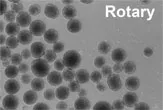
Current methods of developing embryonic stem cells involve placing cells far apart from each other so they don't clump together. But the researchers were able to produce healthier, more uniform cells by gently shaking the samples with a machine. They speculate that the sloshing motion increases nutrient distribution to the cells.
"We call it the 'set it and forget it' method for growing stem cells," McDevitt said.
- 10 Things You Didn't Know About You
- Embryonic Stem Cells Yield Full Range of Heart Tissues
- Embryonic Stem Cells Mimicked Without Embryos
Get the world’s most fascinating discoveries delivered straight to your inbox.
