













Major League Umps Call More Strikes for Pitchers of Same Race

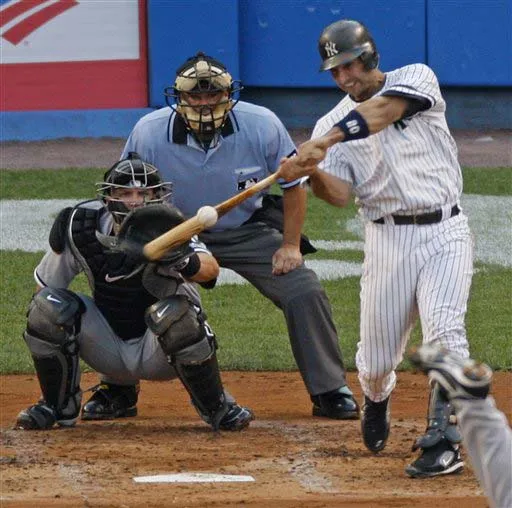
Major League Baseball umpires are more likely to call strikes for pitchers of the same race or ethnicity, a new study finds.
Researchers at the University of Texas at Austin analyzed every pitch from the 2004 through 2006 major league seasons to explore whether racial discrimination factored into umpires’ decisions to call a pitch a strike or a ball.
Just as discrimination in the labor market can affect disparities in wages, promotion and performance evaluation, the researchers said, possible discrimination by umpires could affect the outcome of games and careers.
During a typical baseball game, umpires call about 75 pitches for each team (they call about 400,000 pitches over the whole season—this figure excludes foul balls), so an umpire’s evaluation heavily influences pitcher productivity and performance.
“Umpires judge the performance of players every game, deciding whether pitches are strikes or balls,” said study leader Daniel Hamermesh, who will present his findings next month at his campus and later at the University of North Carolina at Greensboro. “Discrimination affects the outcome of a game and the labor market, determining the pitcher’s market value and compensation.”
The researchers found if a pitcher is of the same race or ethnicity as the home plate umpire, more strikes are called and his team’s chance of winning is improved.
The power to evaluate players’ performances disproportionately belonged chiefly to white umpires, while negative calls particularly impacted minority pitchers, Hamermesh said.
Get the world’s most fascinating discoveries delivered straight to your inbox.
But, this behavior diminishes when the umpire's calls are more closely scrutinized—for example at ballparks with electronic monitoring systems, in full count situation where there are 3 balls or 2 strikes, or at well-attended games.
Hamermesh said the study is drawing more comments, so far, from his colleagues than any of his previous work. "I did not know how many economists are hung up on baseball," he told LiveScience.
- Video: How to Throw a Split-Finger Fastball
- Busting Baseball Myths: Scientist Throws Big Curveballs
- Baseball Science: Better Hitters See Ball as Bigger
