













Future Farmers Hold Environment's Fate in Their Hands
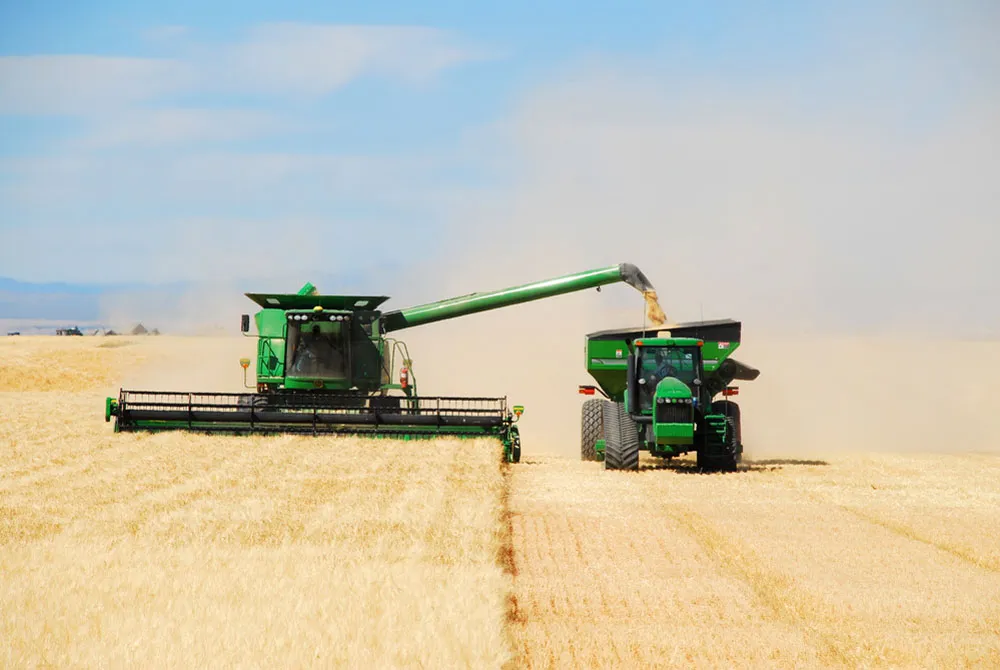
Global food demand will double by 2050, according to a new projection, and the farming techniques used to meet that unprecedented demand will significantly determine how severe the impact is on the environment, researchers say.
The study researchers warn that meeting the demand for food will clear more land, increase nitrogen use and significantly add to carbon dioxide and other greenhouse gas emissions. These actions could harm the atmosphere and cause the extinction of numerous species, they say.
"Agriculture's greenhouse gas emissions could double by 2050 if current trends in global food production continue," study researcher David Tilman, of the University of Minnesota, said in a statement. "This would be a major problem, since global agriculture already accounts for a third of all greenhouse gas emissions."
The researchers studied various ways in which the increasing food demand could be addressed. They found that the most environmentally friendly and cost-effective approach would be for more food producers to adopt the nitrogen-efficient "intensive" farming method, which involves heavy use of labor and the production of more crops per acre.
This approach was shown to be more effective than the "extensive" farming currently practiced by many poor nations, a method that includes clearing more new land to produce more food.
Different farming methods produce significantly different yields, the researchers found — in 2005, the crop yields for the wealthiest nations were more than 300 percent higher than what the poorest nations produced.
According to their analysis of the effects of extensive farming, if poorer nations continue using this method, by 2050 they will have cleared an area larger than the United States, about 2.5 billion acres. However, if wealthy nations help poorer nations to improve food yields by incorporating intensive farming practices, that number could be reduced to half a billion acres.
Get the world’s most fascinating discoveries delivered straight to your inbox.
"Strategically intensifying crop production in developing and least-developed nations would reduce the overall environmental harm caused by food production, as well as provide a more equitable food supply across the globe," said study researcher Jason Hill of the University of Minnesota.
The researchers stress that the environmental effects of meeting future food demands depend on how global agriculture expands and develops.
"Our analyses show that we can save most of the Earth's remaining ecosystems by helping the poorer nations of the world feed themselves," Tilman said.
The study was published this week in the journal Proceedings of the National Academy of Sciences.
You can follow LiveScience writer Remy Melina on Twitter @remymelina. Follow LiveScience for the latest in science news and discoveries on Twitter @livescience and on Facebook.