How the skin knows to start tanning after the sun's rays hit is somewhat of a mystery. Now researchers have found our skin may be able to "see" the sun's ultraviolet rays using a light-sensing pigment also found in our eyes.
"As soon as you step out into the sun, your skin knows that it is exposed to ultraviolet radiation," said senior researcher Elena Oancea, assistant professor of biology at Brown University. "This is a very fast process, faster than anything that was known before."
Tanning, or the darkening of skin when exposed to sun, is a protective response. Melanin, the dark pigment responsible for darkening skin, is believed to protect skin cells from damage caused by ultraviolet radiation in sunlight by absorbing the radiation.
Latest Videos FromLive Science
Ultraviolet radiation at the Earth's surface comes in two flavors: UVA and UVB. UVB rays have shorter wavelengths, and make up only a small portion of ultraviolet radiation from the sun. Such rays lead to darkening of the skin days after exposure. UVB rays are typically linked with DNA damage that can cause skin cancer, although research has also linked UVA to cancer. UVA rays, by contrast, have longer wavelengths and are less intense, but account for the majority of ultraviolet radiation and lead to skin darkening much more quickly. [Why Skin Cancer Is on the Rise]
This study's findings focus on how UVA rays lead to darkening.
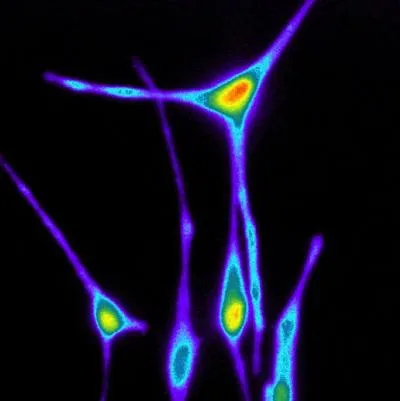
Oancea and her team studied the skin cells, called melanocytes, that produce the protective pigment melanin, and found that the cells also contained rhodopsin, a pigment previously found only in the retina of the eye where it detects light. They then examined how rhodopsin in the melanin-producing cells sends out a signal when exposed to UVA radiation. The signal instigates the production of melanin, they found.
The team found that after an hour, measurable amounts of melanin had begun accumulating, which would result in tanning.
The study is detailed in the most recent issue of the journal Current Biology.
You can follow LiveSciencesenior writer Wynne Parry on Twitter @Wynne_Parry. Follow LiveScience for the latest in science news and discoveries on Twitter @livescience and on Facebook.