Live Science Plus





The secret to creating artificial skin might be spider silk, researchers now suggest.
Skin grafts are vital for treating burn victims and other patients. For instance, chronic wounds such as bedsores in hospitalized patients afflict 6.5 million in the United States alone for estimated costs of $25 billion annually.

Now Wendt and her colleagues suggest silk might be up for the job.
Spider silk is the toughest known natural material. Moreover, there is abody of folklore dating back at least 2,000 years regarding the potential medical value of webs — for instance, in fighting infections, stemming bleeding, healing wounds and serving as artificial ligaments.
The extraordinary strength and stretchiness of spider silk "are important factors for easy handling and transfer of many kinds of implants," Wendt said. In addition, unlike silk from silkworms, that from spiders apparently does not trigger the body's rejection reactions.

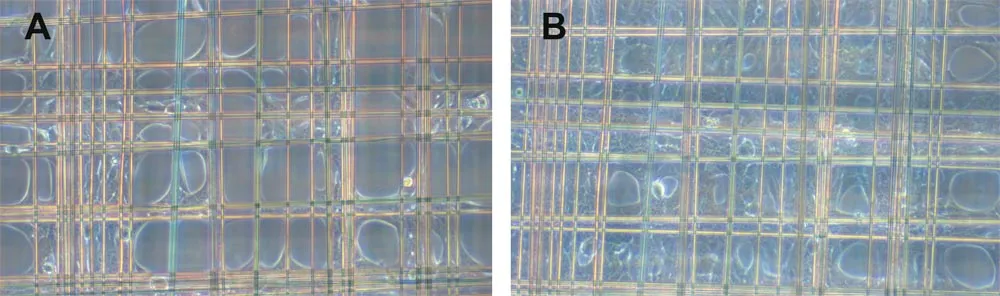
To test spider silk's usefulness, first Wendt and her colleagues essentially milked golden silk orb-weaver spiders by stroking their silk glands and spooling up the silk fibers that came out. They next wove meshes from this silk onto steel frames. [See images of skin cells growing]
The researchers found that human skin cells placed on these meshes could flourish, given proper nurturing with nutrients, warmth and air. They were able to cultivate the two main skin cell types, keratinocytes and fibroblasts, into tissue-like patterns resembling epidermis, the outermost layer of skin, and dermis, the layer of living tissue below the epidermis that contains blood capillaries, nerve endings, sweat glands, hair follicles and other structures.
"It was impressive to observe how human cells use spider silk," Wendt told LiveScience.
Currently, harvesting large amounts of spider silk for industrial standards is not practical. "I think in the long term, for widespread daily clinical use, synthetic silk fibers providing the same mechanical- and cell culture- properties will be needed," Wendt said. Currently, many research groups are investigating ways to grow synthetic spider silk.
The scientists detailed their findings online July 26 in the journal PLoS ONE.
Follow LiveScience for the latest in science news and discoveries on Twitter @livescience and on Facebook.