 Live Science Plus





You are now subscribed
Your newsletter sign-up was successful
Want to add more newsletters?

Delivered Daily
Daily Newsletter
Sign up for the latest discoveries, groundbreaking research and fascinating breakthroughs that impact you and the wider world direct to your inbox.
Once a week
Life's Little Mysteries
Feed your curiosity with an exclusive mystery every week, solved with science and delivered direct to your inbox before it's seen anywhere else.

Once a week
How It Works
Sign up to our free science & technology newsletter for your weekly fix of fascinating articles, quick quizzes, amazing images, and more

Delivered daily
Space.com Newsletter
Breaking space news, the latest updates on rocket launches, skywatching events and more!
Once a month
Watch This Space
Sign up to our monthly entertainment newsletter to keep up with all our coverage of the latest sci-fi and space movies, tv shows, games and books.

Once a week
Night Sky This Week
Discover this week's must-see night sky events, moon phases, and stunning astrophotos. Sign up for our skywatching newsletter and explore the universe with us!
Join the club
Get full access to premium articles, exclusive features and a growing list of member rewards.
Archaeologists discovered 3,000-year-old gold coils in the town of Boeslunde, on the Danish Island of Zealand. Researchers are unsure what the Bronze Age spirals were used for, but Flemming Kaul, the gold's co-discoverer and curator at The National Museum of Denmark, thinks the gold was used in sacrifical rituals in honor of the sun. [Read full story about the golden discovery]
Tangled spirals
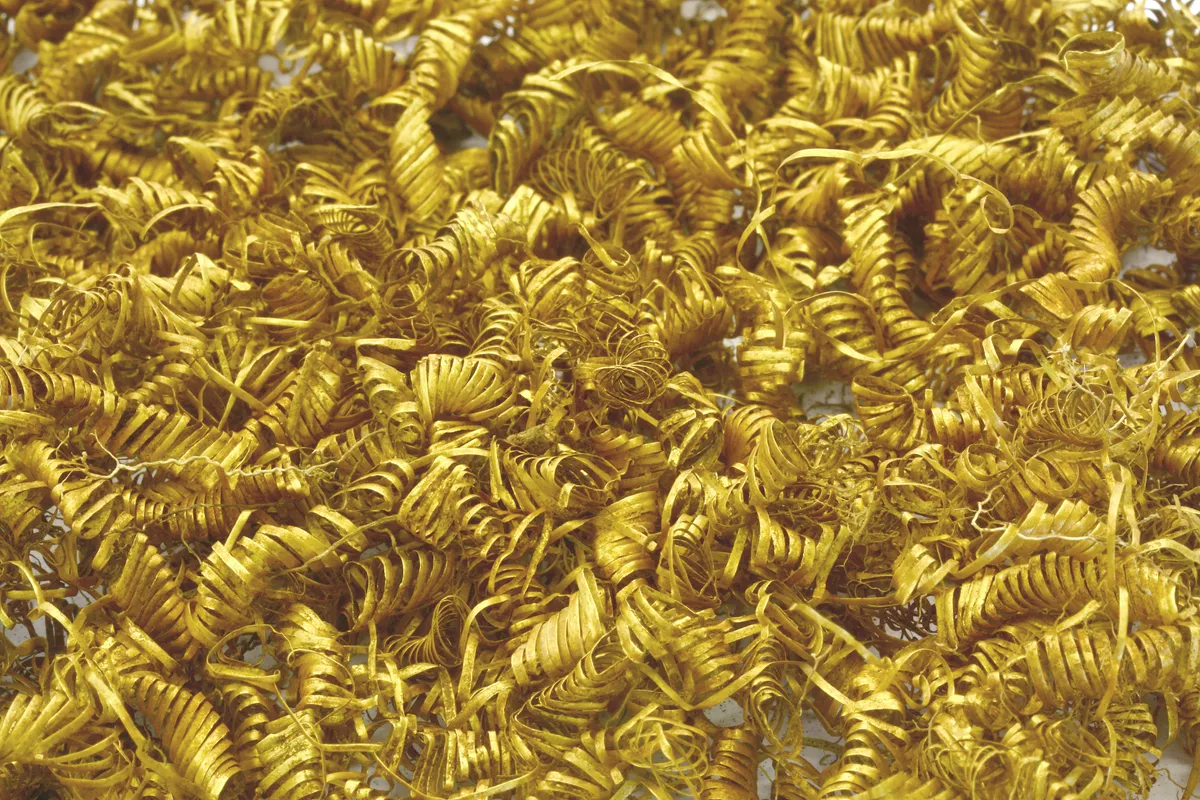
Archaeologists discovered 2,000 gold spirals in Boeslunde. (Credit: Morten Petersen, Museum Vestsjælland)
Sparkly spirals

The golden coils each measure about 1.2 inches (3 centimeters) long. (Credit: Morten Petersen Museum Vestsjælland)
Single spiral

A single gold spiral at the Boeslunde dig site. (Credit: Flemming Kaul, the National Museum of Denmark)
Fresh spirals

The excavation site spread over a field in Boeslunde. (Credit: Flemming Kaul, the National Museum of Denmark)
Ancient bowls

Gold bowels from Borgbjerg Banke were found in the 1800s. (Credit: National Museum of Denmark)
Elizabeth Goldbaum is on Twitter. Follow Live Science @livescience, Facebook & Google+.

