 Live Science Plus






Ebola Outbreak Spreading in Africa
You are now subscribed
Your newsletter sign-up was successful
Want to add more newsletters?

Delivered Daily
Daily Newsletter
Sign up for the latest discoveries, groundbreaking research and fascinating breakthroughs that impact you and the wider world direct to your inbox.

Once a week
Life's Little Mysteries
Feed your curiosity with an exclusive mystery every week, solved with science and delivered direct to your inbox before it's seen anywhere else.

Once a week
How It Works
Sign up to our free science & technology newsletter for your weekly fix of fascinating articles, quick quizzes, amazing images, and more
Delivered daily
Space.com Newsletter
Breaking space news, the latest updates on rocket launches, skywatching events and more!

Once a month
Watch This Space
Sign up to our monthly entertainment newsletter to keep up with all our coverage of the latest sci-fi and space movies, tv shows, games and books.

Once a week
Night Sky This Week
Discover this week's must-see night sky events, moon phases, and stunning astrophotos. Sign up for our skywatching newsletter and explore the universe with us!
Join the club
Get full access to premium articles, exclusive features and a growing list of member rewards.
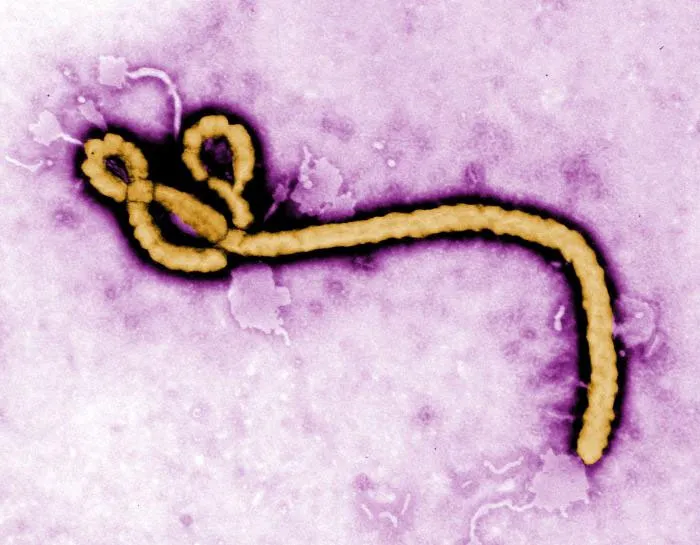
An Ebola outbreak has killed up to 59 people in Africa.
The outbreak, which has been going on in the southeastern region of Guinea since February, has infected at least 80 people so far, and may have spread to neighboring Sierra Leone, according to the government.The World Health Organization is sending a team to do additional testing, as well as sending more than 30 tons of medical supplies, including isolation chambers and medicine for treating fever, Reuters reported.
Follow Tia Ghose on Twitter and Google+. Follow Live Science @livescience, Facebook & Google+.

