 Live Science Plus





You are now subscribed
Your newsletter sign-up was successful
Want to add more newsletters?

Delivered Daily
Daily Newsletter
Sign up for the latest discoveries, groundbreaking research and fascinating breakthroughs that impact you and the wider world direct to your inbox.

Once a week
Life's Little Mysteries
Feed your curiosity with an exclusive mystery every week, solved with science and delivered direct to your inbox before it's seen anywhere else.

Once a week
How It Works
Sign up to our free science & technology newsletter for your weekly fix of fascinating articles, quick quizzes, amazing images, and more

Delivered daily
Space.com Newsletter
Breaking space news, the latest updates on rocket launches, skywatching events and more!

Once a month
Watch This Space
Sign up to our monthly entertainment newsletter to keep up with all our coverage of the latest sci-fi and space movies, tv shows, games and books.

Once a week
Night Sky This Week
Discover this week's must-see night sky events, moon phases, and stunning astrophotos. Sign up for our skywatching newsletter and explore the universe with us!
Join the club
Get full access to premium articles, exclusive features and a growing list of member rewards.
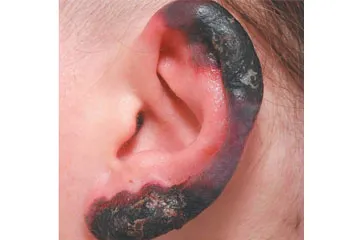
A woman in Germany developed what looked like frostbite on her nose, ears and legs, even though she had not been exposed to extremely cold temperatures, according to a new report of her case.
Her skin developed black regions, made up of damaged skin tissue, which appeared over several days.
Doctors diagnosed the woman with a type of autoimmune diseasethat is triggered by cold temperatures. [See 9 Oddest Medical Cases.]
The woman had high levels of antibodies called "cold agglutinins" in her body. Most people have low levels of cold agglutinins, which help the body respond to infection.
When levels of cold agglutinins are too high, they cause red blood cells to clump together, and the clumps can block the flow of blood to the fingers, nose, ears and toes, consequently causing symptoms similar to frostbite.
Doctors removed the damaged skin and treated the woman with drugs that prevent blood clots. She also underwent plasmapheresis, a procedure to purify the blood, and was told to protect herself from cold. The patient's symptoms improved, the doctors said.
The report of her case is published in the July 4 issue of the New England Journal of Medicine.
Follow Rachael Rettner @RachaelRettner. Follow LiveScience @livescience, Facebook & Google+. Original article on LiveScience.com

