 Live Science Plus





You are now subscribed
Your newsletter sign-up was successful
Want to add more newsletters?

Delivered Daily
Daily Newsletter
Sign up for the latest discoveries, groundbreaking research and fascinating breakthroughs that impact you and the wider world direct to your inbox.

Once a week
Life's Little Mysteries
Feed your curiosity with an exclusive mystery every week, solved with science and delivered direct to your inbox before it's seen anywhere else.

Once a week
How It Works
Sign up to our free science & technology newsletter for your weekly fix of fascinating articles, quick quizzes, amazing images, and more

Delivered daily
Space.com Newsletter
Breaking space news, the latest updates on rocket launches, skywatching events and more!

Once a month
Watch This Space
Sign up to our monthly entertainment newsletter to keep up with all our coverage of the latest sci-fi and space movies, tv shows, games and books.

Once a week
Night Sky This Week
Discover this week's must-see night sky events, moon phases, and stunning astrophotos. Sign up for our skywatching newsletter and explore the universe with us!
Join the club
Get full access to premium articles, exclusive features and a growing list of member rewards.
Even the best-off ancient Egyptians suffered from malnutrition and preventable disease, a new analysis of mummies and skeletons finds.
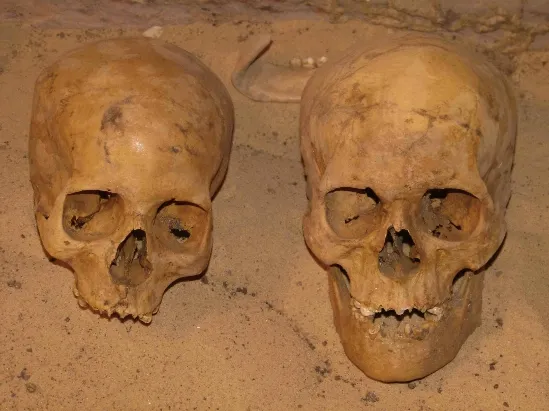
The bodies come from the Qubbet el-Hawa necropolis, which is near the modern city of Aswan in southern Egypt. Constructed in the 12th dynasty (between 1939 B.C. and 1760 B.C.) and re-used in later periods, the necropolis contains remains of people from across the social spectrum.
"Although the cultural level of the age was extraordinary, the anthropological analysis of the human remains reveals the population in general, and the governors — the highest social class — lived in conditions in which their health was very precarious, on the edge of survival," study researcher Miquel Botella Lopez of the University of Granada said in a statement.
Life expectancy was only about 30 years, the researchers found, thanks to a high infant mortality rate, malnutrition and gastrointestinal infections caused by drinking polluted Nile waters. A great many of the dead in the necropolis were between 17 and 25 years old, the researchers announced today (March 6).
Follow Stephanie Pappas @sipappas. Follow LiveScience on Twitter @livescience, Facebook or Google+. Original article on LiveScience.com.

