













What's the Best Way to Avoid Mosquito Bites?

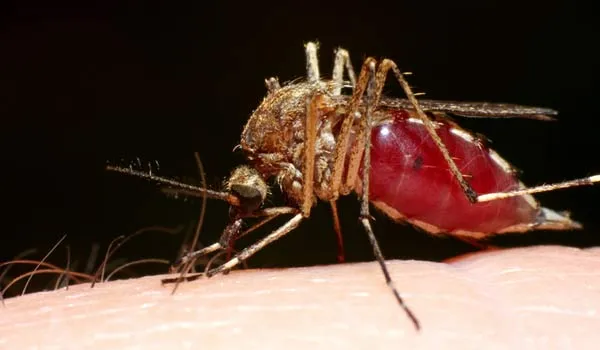
As the West Nile outbreak grows, many may be looking for the best ways to avoid mosquito bites.
If you decide to try insect repellents, Consumer Reports recommends repellents with DEET as the active ingredient.
In the company's 2010 rankings, four insect repellents with DEET tied for the top score: Off Deep Woods Sportsman II, Cutter Backwoods Unscented, Off FamilyCare Smooth & Dry and 3M Ultrathon Insect Repellent 8. These repellents were effective in completely protecting against mosquitoes and ticks for at least eight hours, the organization said.
The sprays were tested by applying the product to the testers' arms, and measuring how much time elapsed before the tester was bitten by a mosquito after he had placed his arms in a mosquitoes-filled cage. For the four products that topped ranking, there were no bites after eight hours. Consumer Reports does not recommend using products that combine sunscreen with insect repellent.
"It sounds like it makes sense — you get two for one," said Nicole Sarrubbo, an associate editor at Consumer Reports. But people should use two separate products, Sarrubbo said, because while sunscreens should be applied liberally and often, "you don’t want to do that with bug spray."
People should be cautious about their use of bug spray, to avoid exposure to unnecessary chemicals, she said.
The company also does not recommend using clip-on mosquito-repellent devices. In testing, their protection lasted less than two hours.
Get the world’s most fascinating discoveries delivered straight to your inbox.
Insect repellents should not be applied to infants, and for children, Consumer Reports recommends a repellent with a DEET concentration of no more than 30 percent (the top ranked products have between 15 and 30 percent DEET).
And bug repellents are just be "one of the tools in your toolbox," against mosquitoes, Sarrubbo said.
Other ways to reduce exposure to mosquitoes include: clearing areas with standing water, staying inside during dawn and dust (peak hours for mosquitoes), and limited use of perfumes and scented products that can attract misquotes, Sarrubbo said.
Pass it on: Bug sprays with DEET appear most effective at preventing mosquito bites, according to tests from Consumer Reports.
This story was provided by MyHealthNewsDaily, a sister site to LiveScience. Follow MyHealthNewsDaily on Twitter @MyHealth_MHND. We're also on Facebook & Google+.
