













Dairy Products Might Cause More Human Twins

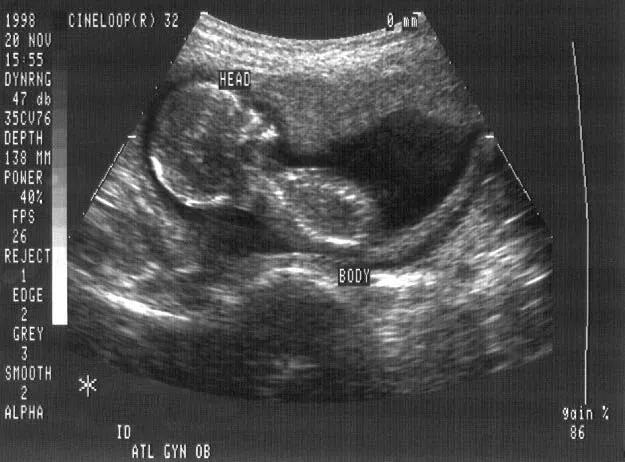
Women who consume animal products, specifically dairy, are five times more likely to have twins than those who do not, a new study finds.
The reason may involve growth hormones fed to cows.
A growth protein called IGF is released from the liver of animals and humans in response to growth hormones. IGF circulates in the blood gets into an animal's milk. IGF increases ovulation and might also help embryos survive in the early stages of development, said study leader Gary Steinman of the Long Island Jewish Medical Center.
The concentration of IGF in the blood is about 13 percent lower in vegan women than in women who consume dairy. Vegans abstain from eating anything derived from animals.
The percentage of multiple births has increased significantly since 1975, roughly when science began to assist couples that struggled to make babies. Some part of the increase owes to more older women getting pregnant, as they are statistically more likely to birth twins.
"The continuing increase in the twinning rate into the 1990's, however, may also be a consequence of the introduction of growth-hormone treatment of cows to enhance their milk and beef production," Steinman said.
The research was published today in the Journal of Reproductive Medicine.
Get the world’s most fascinating discoveries delivered straight to your inbox.
