


-
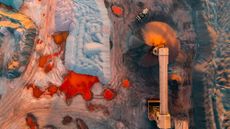 Industrial waste is turning into a new type of rock at 'unprecedented' speed, new study finds
Samples from slag cliffs in England reveal industrial waste products can turn into rock in less than four decades, challenging assumptions about how rocks form.
6 Commentsgeology -
 How much gold is there in the world?
How much gold have humans mined to date, and how much is left?
geology -
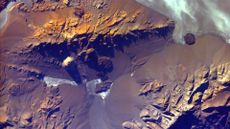 Tectonic plates can spread subduction like a contagion — jumping from one oceanic plate to another
Evidence from Earth's deep past suggests dramatic subduction zones can spread like a contagion.
geology -
 Scientists discover strong, unexpected link between Earth's magnetic field and oxygen levels
Earth's magnetic field and oxygen levels have increased more or less in parallel over the past 540 million years, suggesting the two factors are linked in some way, researchers say.
3 Commentsgeology -
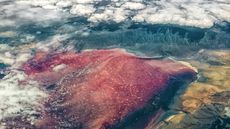 Lake Natron: The caustic, blood-red lake in Tanzania that turns animals to 'stone'
Lake Natron is a soda lake in northern Tanzania with a volcanic geology that maintains the water's pH around 10.5, which is almost as caustic as ammonia. Some life-forms thrive there nevertheless.
geology -
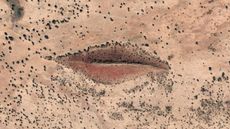 The mysterious hill in Sudan that looks like 'landlocked lips'
Earth from space A 2012 Google Earth photo captured a hill formation in Sudan that bears a striking resemblance to human lips. Not much is known about the unusual landmark, but researchers have guessed how it formed.
3 CommentsEarth from space -
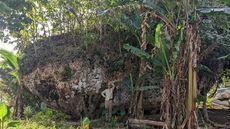 There's a humongous boulder on a cliff in Tonga. Now we know how it got there.
A massive boulder named Maka Lahi was recently found about 650 feet from the edge of a cliff in Tonga, and researchers believe that it may have been deposited by a tsunami around 7,000 years ago.
6 Commentsgeology -
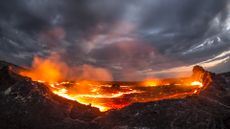 New evidence for gigantic superplume tearing Africa apart
Researchers have found fresh evidence that Africa is breaking apart because of a deep mantle superplume of hot rock beneath the East African Rift System.
2 Commentsgeology -
 North America's 'broken heart': The billion-year-old scar from when the continent nearly ripped apart
The Midcontinent Rift is a giant tear that formed in what is now the U.S. Midwest 1.1 billion years ago. Nicknamed North America's "broken heart," it is filled with solidified magma and lava.
geology


