
-
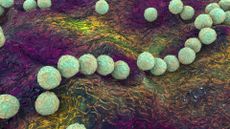 New, faster sepsis test could save lives, scientists say
Preliminary experiments suggest that a new test could diagnose bacterial infections that cause sepsis days faster than conventional approaches, with potentially lifesaving consequences.
bacterial-fungal -
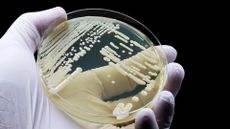 New fungal infection discovered in China
Scientists uncovered a species of fungi that had never before been seen in humans. They say warmer temperatures could drive its evolution, for the worse.
bacterial-fungal -
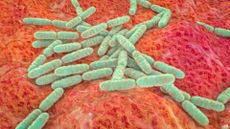 The gut microbiome has a circadian rhythm. Here's how it might affect your health.
Daily fluctuations in gut microbes may have a plethora of effects on the body, but many questions remain.
bacterial-fungal -
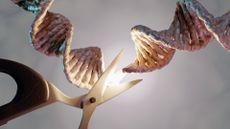 How does CRISPR work?
CRISPR is a versatile tool for editing genomes and has recently been approved as a gene therapy treatment for certain blood disorders.
bacterial-fungal -
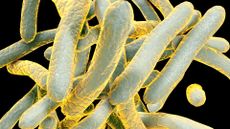 Tuberculosis triggered giant, crusty wart to sprout on man's hand
Around 20% of cases of tuberculosis affect organs other than the lungs, and some can cause warty plaques on the skin.
bacterial-fungal -
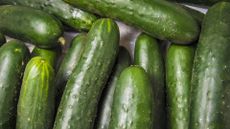 Salmonella outbreak tied to cucumbers sickens 162
A company that ships whole cucumbers from Florida has recalled potentially contaminated produce.
bacterial-fungal -
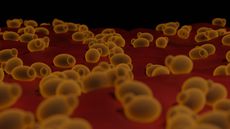 A woman kept getting drunk despite not drinking. Fungi in her gut were brewing their own alcohol.
A woman kept mysteriously getting drunk despite not consuming alcohol. Turns out, a rare condition called "auto-brewery syndrome" was to blame.
bacterial-fungal -
 Papua New Guineans, genetically isolated for 50,000 years, carry Denisovan genes that help their immune system, study suggests
Genes inherited from Denisovans, extinct human relatives, may help Papua New Guineans in the lowlands fight off infection, while mutations to red blood cells may help highlanders live at altitude.
bacterial-fungal -
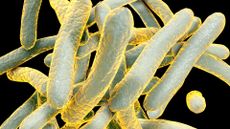 170 people 'likely exposed' to tuberculosis in Long Beach outbreak
Health officials have warned of an ongoing tuberculosis outbreak in Long Beach, California.
bacterial-fungal


