
-
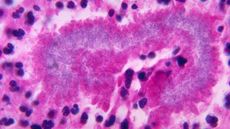 This rare bacterial infection triggers pus-filled sores in the lungs and brain
Nocardiosis is a rare bacterial infection that attacks the lungs, skin and brain.
bacterial-fungal -
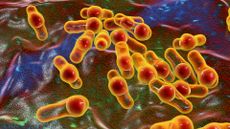 Diagnostic dilemma: A man's deadly infection was triggered by a probiotic supplement
A man with a complex medical history ended up with a rare bacterial infection after taking probiotics in the hospital.
4 Commentsbacterial-fungal -
 'We will fight for him': Author John Green meets Henry Reider, a young tuberculosis patient with drug-resistant disease
INTERVIEW "At the time, I knew almost nothing about TB. To me, it was a disease of history — something that killed depressive 19th-century poets, not present-tense humans."
INTERVIEW -
 'We have to fight for a better end': Author John Green on how threats to USAID derail the worldwide effort to end tuberculosis
Live Science spoke with author John Green about his latest book, which explores both the history and current realities of tuberculosis.
bacterial-fungal -
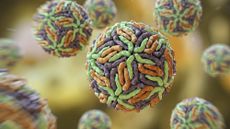 Google's AI 'co-scientist' cracked 10-year superbug problem in just 2 days
Scientists took 10 years to figure out how one type of superbug gains its ability to infect diverse bacterial species. When prompted, Google's new AI "co-scientist" gave them the answer in two days.
7 Commentsbacterial-fungal -
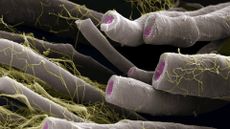 Gut bacteria imbalance linked to multiple sclerosis
Levels of two types of bacteria in your gut could help improve the diagnosis and treatment of multiple sclerosis.
bacterial-fungal -
 If life can exist in your stomach, it can exist on Mars. Here's what it might look like.
If life exists on other planets, it needs to be adaptable to extreme environments. To get a clue of what it might look like, we can turn to a surprising place: the human gut.
bacterial-fungal -
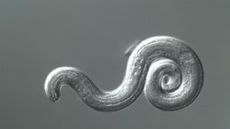 Parasite lurking in woman's brain caused mysterious 'burning' leg sensation
A woman developed an array of symptoms shortly after returning from a vacation, and parasites turned out to be the culprit.
2 Commentsbacterial-fungal -
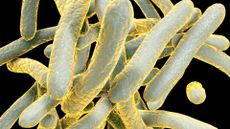 Massive tuberculosis outbreak sickens dozens in Kansas
An ongoing tuberculosis outbreak in two Kansas counties has sickened dozens since January 2024.
bacterial-fungal


