
-
 Astronauts to grow livers in space, where microgravity might help them thrive
Researchers think that microgravity could help grow liver "organoids" that could be used in medical research and even in transplant surgeries, someday.
anatomy -
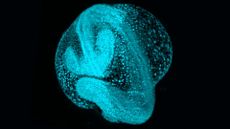 Scientists launch amazing 'atlas' of embryos, showing how cells move and develop through time
"Zebrahub" is an atlas of cells in developing zebrafish embryos, and scientists say it will help us learn about our own biology, too.
anatomy -
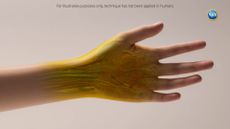 Scientists just made mice 'see-through' using food dye — and humans are next
A common food dye can turn the skin of living mice transparent, but we don't yet know if it'll work in humans.
anatomy -
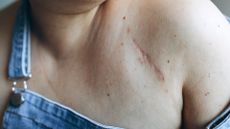 Why are scars permanent?
Scar tissue differs from normal skin in a few important ways.
anatomy -
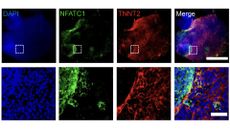 Scientists are growing teensy hearts to learn which drugs raise risk of congenital defects
Organoids can replicate each component of the human heart, from its chambers to its veins.
anatomy -
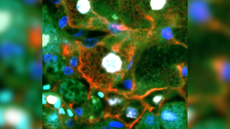 Scientists discover new type of cell in the liver
The newly-discovered cells help shed light on how the liver repairs itself after damage.
anatomy -
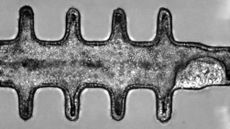 Scientists just grew super realistic, miniature colons in the lab and gave them cancer
The tiny colons were grown from mouse stem cells, but human versions could one day be used to test new drugs for colorectal cancer, scientists say.
anatomy -
 Scientists uncover the cells that save you when water goes down the wrong pipe
In a mouse study, scientists uncovered the sensory cells that trigger coughing when you inhale water by mistake.
anatomy -
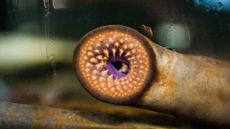 Nightmare fish may explain how our 'fight or flight' response evolved
A new study of vertebrate evolution reveals that we have more in common with spooky-looking fish called lampreys than we thought.
anatomy


